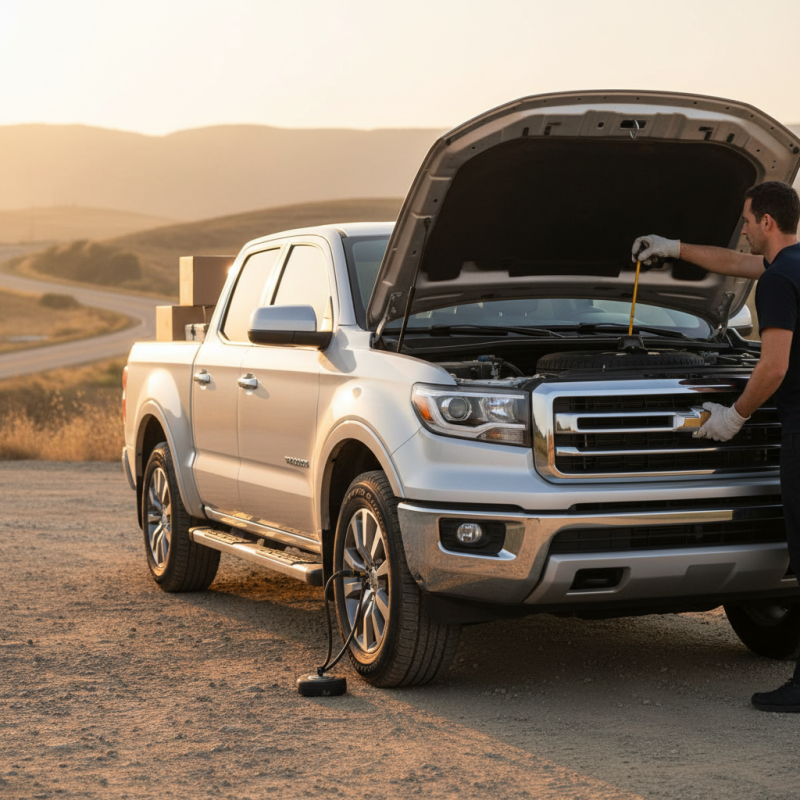
Pickup Truck Tips to Maximize Fuel Efficiency and Performance?
Pickup Trucks are known for their power and versatility. However, many owners overlook fuel efficiency. With rising gas prices, maximizing efficiency can save money.
There are simple tips to improve performance and fuel economy. Proper maintenance, like regular oil changes, is essential. Adjusting tire pressure can also make a noticeable difference. Sometimes, we forget to check our tire pressure, leading to unnecessary fuel waste.
Additionally, load management plays a vital role. Overloading your truck can strain the engine and decrease mileage. Aim to carry only what you need. Each little adjustment counts toward better efficiency. In this journey, we must reflect on our habits. Are we prioritizing performance while neglecting fuel economy?
Understanding the Basics of Fuel Efficiency in Pickup Trucks
Fuel efficiency in pickup trucks is essential for saving money and reducing environmental impact. Understanding the basics helps you make informed choices. Pickup trucks often have powerful engines, which can lead to higher fuel consumption. A heavy payload and towing can further decrease efficiency. It’s important to consider these factors when planning your trips.
Regular maintenance is crucial for optimal performance. Dirty air filters can hinder airflow, causing your engine to work harder. Tire pressure also plays a significant role. Underinflated tires increase rolling resistance, which can reduce fuel efficiency. Consider checking them frequently. You might forget, but small adjustments can lead to significant improvements.
Driving habits greatly influence fuel efficiency. Rapid acceleration and heavy braking waste fuel. Gradual starts and smooth stops are more efficient. Are you taking full advantage of cruise control on highways? It can maintain a steady speed and enhance mileage. Reflecting on these habits can lead to better performance and savings.
Regular Maintenance Practices for Optimal Truck Performance
Regular maintenance practices are essential for optimizing pickup truck performance. Start with regular oil changes. Clean oil keeps your engine running smoothly. Aim to change it every 5,000 to 7,500 miles. Check filters too. A clean air filter improves fuel efficiency. Don’t forget about the fuel filter. A clogged one can affect performance.
Tire maintenance is often overlooked. Check tire pressure monthly. Under-inflated tires decrease fuel efficiency. Properly inflated tires also ensure better handling. Rotate your tires regularly to promote even wear. Brake pads should be inspected too. Worn-out brakes can lead to longer stopping distances and reduced safety.
Lastly, keep an eye on the battery. A failing battery can leave you stranded. Clean the terminals to prevent corrosion. Regular maintenance takes time. However, neglecting it can lead to costly repairs. It’s all about finding a balance. Each effort adds up to enhance overall performance.
Pickup Truck Tips to Maximize Fuel Efficiency and Performance
| Maintenance Practice | Benefits | Frequency | Estimated Cost |
| Regular Oil Change | Improves engine performance and fuel efficiency | Every 5,000 miles | $30 - $70 |
| Tire Pressure Check | Enhances fuel efficiency and tire longevity | Monthly | Free |
| Air Filter Replacement | Improves airflow, enhancing engine performance | Every 15,000 miles | $20 - $50 |
| Brake Inspection | Ensures safety and prevents brake system failures | Every 10,000 miles | $50 - $100 |
| Fuel System Cleaning | Enhances fuel efficiency and engine performance | Every 30,000 miles | $100 - $150 |
Driving Habits That Improve Fuel Economy in Pickup Trucks
Driving habits play a crucial role in maximizing fuel economy for pickup trucks. According to the U.S. Department of Energy, aggressive driving can lower gas mileage by 10%. Rapid acceleration and hard braking waste fuel. Smooth driving helps improve efficiency. Maintaining a steady speed saves fuel over long distances.
Another significant factor is the unnecessary weight in the truck. A report by the EPA indicates that for every 100 pounds added, fuel efficiency decreases by roughly 1%. Removing excess cargo can contribute to better performance. Check the truck bed frequently.
Tire pressure also deserves attention. Under-inflated tires can reduce fuel efficiency by up to 3%. Regularly checking tire pressure ensures better gas mileage. Wind resistance becomes a factor at higher speeds. Keeping windows closed when driving fast reduces drag. Simple habits can lead to noticeable fuel savings. They're easy to overlook in our busy lives.
Aftermarket Modifications to Enhance Truck Fuel Efficiency
When it comes to enhancing fuel efficiency for pickup trucks, aftermarket modifications can play a crucial role. Upgrading your air intake system is one popular option. A high-performance air filter can improve airflow to the engine. This modification often leads to better combustion and increased mileage. You might notice a difference on your next road trip.
Another effective change is to install a performance exhaust system. This modification allows for more efficient exhaust flow. A smoother exit means the engine doesn't have to work as hard. You could see an increase in horsepower, too. Of course, some may find these upgrades costly. Reflect on what you genuinely need versus what you simply want.
Regular maintenance is just as important as any modification. Keeping tires properly inflated can enhance fuel economy. A simple check can save you money on gas. Ensure you regularly change the oil and replace fuel filters. This routine time commitment can significantly impact performance. While it may seem tedious, small steps lead to better fuel efficiency over time.
Weight Management Tips for Better Fuel Performance in Trucks
Managing the weight of your pickup truck is crucial for maximizing fuel efficiency. Excess weight puts a strain on your engine, leading to increased fuel consumption. Start by decluttering your truck. Remove unnecessary tools, equipment, or any items you rarely use. Each extra pound can significantly reduce your mileage.
Consider using lightweight materials for modifications. For example, switch to aluminum racks instead of heavier steel ones. On the other hand, be mindful of your payload. Regularly check if you are exceeding your truck’s load capacity. This can not only impair performance but also create safety risks.
Keeping your tires properly inflated also plays a role in weight management. Underinflated tires increase rolling resistance, making your truck work harder. Regularly inspect tire pressure and tread. Additionally, consider the cargo distribution in your truck. Overloading one side affects handling and could lead to increased fuel usage. These small adjustments can lead to noticeable improvements in performance and efficiency. Every little change counts in the quest for better fuel performance.
Pickup Truck Weight Management and Fuel Efficiency