What Is a Pool Leaf Skimmer and How Does It Work?
Leaves, insects, and flower petals can quickly collect on a pool’s surface. A Pool Leaf Skimmer removes this debris before it sinks, stains surfaces, or burdens the filtration system.
Most models use a fine mesh net attached to a frame and telescopic pole. You move the net slowly across the water, allowing the mesh to catch floating debris. Some designs connect with a built-in pool skimmer, which uses suction to draw water and leaves into a basket. This article focuses mainly on handheld surface skimmers, because they are simple, affordable, and widely used.
In practical pool care, timing matters. Skimming after windy weather can prevent wet leaves from becoming heavy and difficult to lift. A shallow angle usually works better than pressing the net straight down. Small tool. Big difference. I have found that rushing often pushes debris away instead of capturing it. That detail is easy to overlook.
A reliable skimmer should have a strong frame, smooth edges, and mesh that drains water quickly. The pole connection also deserves attention, especially when the net is full. Product claims can sound impressive, but regular cleaning and careful handling matter more than marketing language. This guide explains how a Pool Leaf Skimmer works, where it performs well, and where it may fall short. It also considers common mistakes, maintenance needs, and realistic expectations for keeping pool water cleaner. No skimmer replaces balanced water care or proper filtration. It is one useful part of a broader maintenance routine.
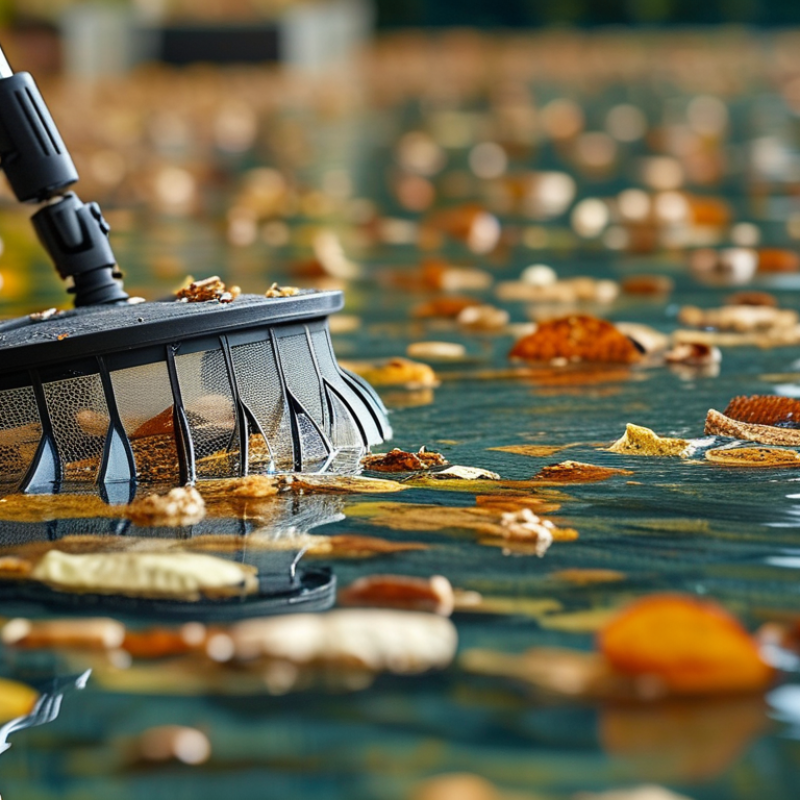
Definition and Purpose of a Pool Leaf Skimmer
A pool leaf skimmer is a lightweight net attached to a telescopic pole. Its main purpose is simple: remove leaves, insects, grass, and floating debris from the water surface. The net usually has a flat frame and fine mesh. When you guide it across the pool, the mesh traps unwanted material while water passes through.
This tool works before debris reaches the pool’s built-in skimmer or filter. That small step can reduce clogging and make filtration more efficient. A deep-bag skimmer collects heavier loads, while a flat net works well for quick surface cleaning. In my experience, slow movements prevent leaves from escaping around the frame. I still miss a few pieces sometimes. Wind changes everything. A pool leaf skimmer cannot replace circulation, filtration, or proper water treatment. It only removes visible debris.
Tips: Start near the pool edges, where leaves often gather. Keep the net slightly below the surface, then lift it gradually. Empty the bag before it becomes heavy. A wet pile of leaves can strain the pole and damage the net. Rinse the mesh after use and store it away from direct sunlight. Check the frame regularly, because a small tear can let fine debris pass through.