

Go to Main Content Go to Footer

What Are String Wound Filter Cartridges Used For?

String Wound Filter Cartridges are widely used to remove suspended solids from industrial and commercial liquids. Their wrapped-fiber structure creates a controlled depth filtration path. This design captures particles throughout the cartridge, not only on its outer surface. The result can be more effective than simple surface screening in many applications. Still, performance depends heavily on fiber material, winding density, and operating conditions.

These cartridges commonly support water treatment, food processing, chemical production, paint systems, and prefiltration before membrane equipment. They can reduce sand, rust, pipe scale, and other visible debris. In a workshop, the difference may appear as cleaner process water and fewer blocked valves. In a treatment plant, it may help protect pumps and downstream filters. However, no cartridge solves every contamination problem. Dissolved chemicals, microorganisms, and very fine particles may require different technologies.

Choosing the correct cartridge requires practical evaluation, not guesswork. Operators should review particle size, fluid temperature, viscosity, pressure, and compatibility. A poorly matched cartridge may clog quickly or release fibers into the process. That possibility is often underestimated. Regular inspection also matters. A dirty cartridge, unusual pressure increase, or reduced flow can indicate replacement time. Manufacturers’ data provides useful guidance, but real operating conditions should confirm the final choice. This article explains what String Wound Filter Cartridges are used for, how they work, and where their limitations deserve careful attention.
What Are String Wound Filter Cartridges Used For?

What Are String Wound Filter Cartridges?

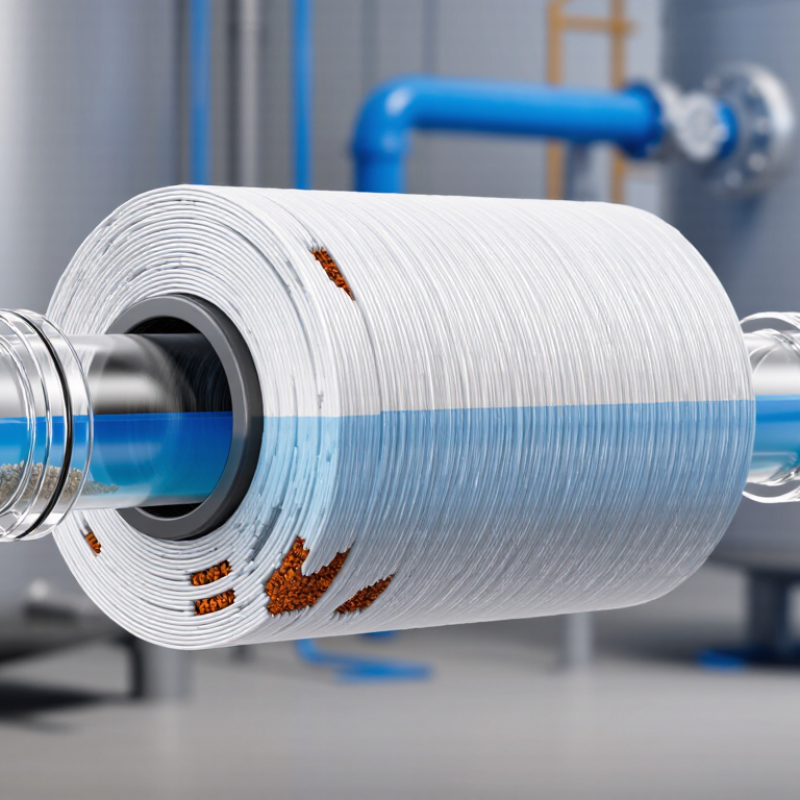
String wound filter cartridges are depth filters made by wrapping yarn around a central core. The winding creates channels with different sizes. Larger particles remain near the outer surface, while finer solids move deeper into the cartridge. This structure helps protect pumps, membranes, valves, and filling equipment from suspended particles.

The yarn may use polypropylene, cotton, polyester, or other compatible materials. Selection depends on fluid chemistry, temperature, viscosity, and the required micron rating.

A 5-micron cartridge, for example, targets particles around that nominal size, but performance varies by construction and test method. Micron ratings are not perfectly comparable. That detail is often overlooked.

These cartridges commonly prefilter well water, process water, cooling water, chemicals, and beverage ingredients. They can reduce sand, rust, silt, and pipe debris. However, they are not automatically disinfecting devices.

The World Health Organization’s 2022 drinking-water guidelines emphasize controlling turbidity because particles can shelter microorganisms. In the United States, surface-water rules require treated water turbidity to remain at or below 0.3 NTU in 95% of measurements, showing why reliable upstream filtration matters. See WHO, Guidelines for Drinking-water Quality, 2022, and U.S. EPA, National Primary Drinking Water Regulations.

A practical warning: high dirt capacity can increase pressure drop. Operators should monitor differential pressure and replace cartridges before flow collapses. Field results depend on installation, flow rate, and maintenance. The cartridge is useful, but never magic.

How String Wound Filter Cartridges Work

What Are String Wound Filter Cartridges Used For?

String wound filter cartridges remove suspended solids from water, chemicals, oils, and other process liquids. Their structure uses tightly wrapped fiber around a central core. Common fibers include polypropylene, cotton, and glass fiber. The winding creates a deep filtration path with many small spaces.

As liquid enters the cartridge, larger particles become trapped near the outer surface. Smaller particles travel deeper into the winding before capture. This depth-filtration method can hold more dirt than a simple surface screen. It also helps protect pumps, valves, membranes, and spray nozzles. In practical maintenance work, a clean cartridge usually shows a steady pressure drop during operation. A sharp increase often signals heavy loading.

Correct selection depends on particle size, liquid temperature, flow rate, and chemical compatibility. A cartridge rated at a small micron size does not automatically provide better performance. It may restrict flow too quickly. Operators should monitor inlet and outlet pressure with reliable gauges. Replacement is normally considered when the differential pressure reaches the equipment limit.

The process is not perfectly predictable. Fiber quality, winding tension, and liquid viscosity can change results. Some liquids may swell or weaken the fibers. I have seen systems fail because operators focused only on the micron rating. That shortcut misses the actual operating conditions. Testing a sample cartridge under real flow conditions often reveals more than a specification sheet.

What Are String Wound Filter Cartridges Used For? - How String Wound Filter Cartridges Work
Data Dimension Typical Information How It Relates to Filtration Performance
Primary Function Depth filtration of suspended solids, sediment, rust, dirt, sand, and other particulate matter in liquid streams. The wound layers provide a three-dimensional filtration path that can retain particles throughout the cartridge depth rather than only at the surface.
Common Applications Pre-filtration for drinking-water systems, process water, industrial liquids, cooling water, irrigation water, and reverse-osmosis systems. String wound cartridges are commonly used where reducing visible sediment and protecting downstream equipment are important.
Typical Contaminants Removed Sand, silt, rust particles, scale fragments, pipe debris, and other non-dissolved solids. They are designed mainly for particulate reduction and generally do not remove dissolved salts, most dissolved chemicals, or microorganisms unless combined with another treatment method.
Filter Media Common winding materials include polypropylene, cotton, polyester, and other compatible fibers. The fiber material should be selected according to liquid compatibility, temperature, chemical exposure, and regulatory requirements.
Core Material Usually a rigid plastic or other structural support core. The core helps maintain cartridge shape and provides mechanical support as pressure builds during service.
Typical Nominal Ratings Many commercially available cartridges are offered in ratings from approximately 1 to 100 micrometres, depending on construction and manufacturer specifications. A lower nominal rating generally indicates finer particle capture, but the actual performance depends on fiber, winding density, fluid conditions, and test method.
Filtration Mechanism Liquid flows through channels formed by the wound fibers while particles are trapped by interception, entrapment, and depth loading. Progressively tighter passages toward the inner layers can improve particle retention and distribute contaminant loading through the cartridge.
Flow Direction In many standard housings, liquid flows from the outside of the cartridge toward the inner core, although the required direction depends on the housing and cartridge design. Correct flow direction helps use the intended filtration structure and prevents poor sealing or premature cartridge damage.
Pressure Drop Pressure drop increases as trapped solids accumulate inside the cartridge. Monitoring differential pressure helps identify loading and determine when cartridge replacement is needed.
Operating Temperature Temperature limits vary according to the fiber, core, end-cap materials, and liquid being filtered. The cartridge must be operated within its specified temperature range to avoid softening, deformation, media degradation, or loss of filtration integrity.
Chemical Compatibility Compatibility depends on the media and construction materials. Polypropylene is often selected for broad compatibility with many aqueous applications, while natural fibers may have more limited resistance. Material compatibility should be verified before use with solvents, oxidizing agents, acids, alkalis, oils, or other aggressive liquids.
Main Advantages Large dirt-holding capacity, simple construction, broad availability, flexible micron options, and relatively low operating cost. The depth-loading design can extend service life in applications with moderate or high particulate concentrations.
Main Limitations Not normally intended for dissolved contaminants, gases, or complete microbial control; heavily loaded cartridges require replacement. Additional treatment technologies may be needed for dissolved solids, taste and odor compounds, oil removal, or disinfection.
Replacement Indicators Excessive differential pressure, reduced flow rate, visible cartridge fouling, or deterioration in downstream water quality. Replacement intervals depend on feed-water quality, flow rate, contaminant concentration, cartridge size, and the selected filtration rating.
Best Selection Factors Required particle size reduction, liquid compatibility, operating temperature, flow rate, pressure limits, housing dimensions, and expected contaminant load. Choosing a cartridge based only on micron rating may lead to premature clogging or inadequate protection of downstream equipment.

Common Industrial and Commercial Applications

String wound filter cartridges are used for removing suspended solids from industrial and commercial liquids. Their tightly wrapped fibers create a depth filtration path, trapping particles throughout the cartridge instead of only on its surface. This design suits water treatment, cooling systems, metalworking fluids, and general process water.

In food and beverage facilities, operators may use them to reduce sediment before filling, blending, or equipment cleaning. Proper material selection remains important, especially when temperature, pressure, or sanitation requirements are strict. In paint, coatings, and chemical processing, these cartridges can capture gels, rust, and unmixed particles before they damage pumps or affect product consistency. Clearer liquid helps, but filtration alone cannot correct poor process control.

They are also common in commercial buildings, laundries, irrigation systems, and pre-treatment units for membrane equipment. A cartridge with a finer rating may improve clarity, yet it can clog quickly when the incoming water is heavily loaded. That trade-off is easy to underestimate. Operators should check flow rate, pressure drop, fluid compatibility, and replacement intervals during real working conditions. Visual inspection helps, but it is not enough by itself. Some applications need laboratory testing or staged filtration. They are not magic. Performance depends on the cartridge, the liquid, and the maintenance routine.

Types of Contaminants They Remove

String wound filter cartridges are used for depth filtration in water, process liquids, and some industrial systems. Their tightly wrapped fibers form many small passages. As liquid moves through these passages, particles become trapped throughout the cartridge instead of only on its surface. This structure helps manage suspended solids while maintaining steady flow.

The main contaminants removed include sand, silt, rust flakes, dirt, pipe scale, and other visible sediment. They can also capture particles from construction debris or aging water lines. Larger particles usually collect near the outer layers. Finer particles travel deeper into the winding. In a clear filter housing, the cartridge may slowly change from white to brown or gray. That visual sign is useful, but it is not a complete performance test.

A cartridge’s micron rating affects which particles it can retain. A lower rating may improve fine-particle removal, yet it can increase pressure drop and replacement frequency. Material compatibility also matters when filtering oils, chemicals, or heated liquids. String wound cartridges do not normally remove dissolved salts, odors, or microorganisms. They are not a universal answer. In field checks, I would compare inlet pressure, outlet pressure, flow rate, and cartridge condition. Replacing a cartridge only by calendar date can waste capacity. Waiting too long can restrict flow and stress the equipment. In practice, the correct choice depends on contaminant size, liquid properties, and the required cleanliness level.

How to Select the Right String Wound Cartridge

What Are String Wound Filter Cartridges Used For?

How to Select the Right String Wound Cartridge

String wound filter cartridges remove suspended solids from water, chemicals, oils, and other process liquids. Their wound fibers create controlled gaps that capture sand, rust, silt, and pipe debris. They are commonly used in well-water treatment, prefiltration, cooling systems, and manufacturing lines. Selection should begin with the contaminant, not the cartridge shape.

Check the required micron rating carefully. A five-micron cartridge may capture finer particles, but it can clog faster. Measure the normal flow rate and compare it with the cartridge’s rated capacity. Also review liquid temperature, viscosity, pressure, and chemical compatibility. Polypropylene, cotton, and other fiber materials behave differently. The core must also resist collapse under pressure. A practical mistake is choosing the smallest rating without checking dirt loading. It may produce clean water briefly, then restrict flow unexpectedly.

Tips: Inspect the old cartridge before choosing a replacement. Note its color, loaded debris, length, and connection style. If the outer layers are heavily coated, upstream sediment control may be needed. Replace cartridges when pressure drop rises, not only when the calendar says so. Keep a simple replacement record. It helps reveal seasonal changes and unstable source quality. When uncertainty remains, test two nearby micron ratings under real operating conditions. Laboratory data cannot always predict field performance.

Logo Access 360