


Go to Main Content Go to Footer

7 THC Vape Safety Tips for Adults

thc vape safety begins with an honest look at the risks. Inhaling vapor can expose the lungs to irritating or harmful substances, and product contents may not always be clear. Even products sold through regulated channels are not risk-free. THC can also affect attention, coordination, memory, and judgment. The effects may feel stronger or last longer than expected. That matters around driving, work, caregiving, and other tasks that require clear thinking.

This guide focuses on practical ways adults can reduce avoidable harm, not on making vaping seem safe. It covers checking product information, recognizing personal health concerns, avoiding use before driving, and keeping products away from children and pets. People who are pregnant, have heart or lung conditions, or take medicines that may interact with THC should speak with a qualified health professional before considering use. Seek urgent medical care for severe breathing problems, chest pain, fainting, or confusion after exposure. Don’t wait it out.

Small details count. A labeled package does not guarantee a predictable experience, and online advice cannot replace medical guidance. It can be tempting to assume that a familiar product is harmless; that assumption deserves a second look. The safest option for lung health is not to inhale vape aerosol. These tips offer useful questions to ask and warning signs to notice, while recognizing that no checklist removes every risk.
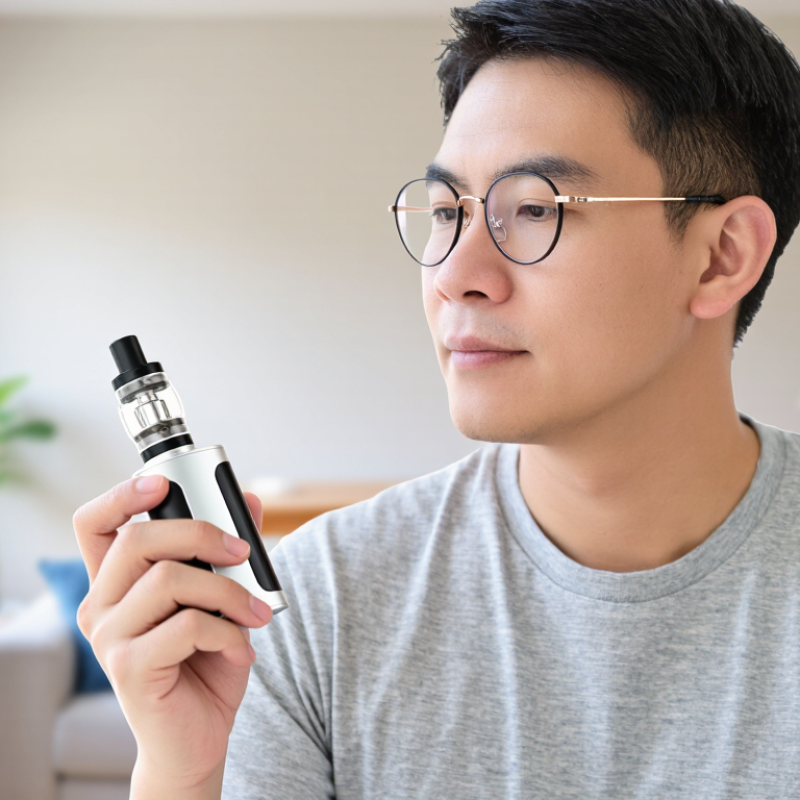
7 THC Vape Safety Tips for Adults

Confirm Legal Eligibility, Health Risks, and Medication Interactions

7 THC Vape Safety Tips for Adults

Before considering a THC vape, confirm that you meet the legal age and eligibility rules where you live. Laws differ by location and can change. Do not assume a product or setting is permitted. Check official local health or government guidance, and avoid use if you are pregnant, driving, or responsible for safety-sensitive tasks.

The health risks deserve careful attention. In a CDC report, 2,807 EVALI cases or deaths and 68 deaths had been reported by February 18, 2020. The CDC linked the outbreak strongly to vitamin E acetate in some THC vaping products, particularly products from informal sources.

These figures describe an outbreak, not the risk from every product. Still, they are a reason to take unexplained shortness of breath, chest pain, or cough seriously and seek medical care. Labels can be imperfect. That matters.

THC may also affect how some medicines work, and research on specific combinations remains limited. Sedatives can add to impairment; other medicines may be affected through drug-metabolizing enzymes.

Ask a doctor or pharmacist before use, especially if you take prescription medicines, use blood thinners, or have a chronic condition. Share the product type and any symptoms honestly.

Ask before using.

CDC’s 2020 MMWR report is a useful reference, but it cannot predict an individual’s interactions or personal risk.

Choose Regulated Products and Verify THC Labeling

A THC vape label should clearly state the THC content, ingredients, and batch or lot number. Choose products from regulated sources where available, and look for evidence that the product was tested by an independent laboratory.

A lot-specific report should match the package and provide results for potency and contaminants, such as pesticides or heavy metals. Check the details. A QR code alone is not proof; confirm that it leads to a report for the same batch.

Labels can be confusing, and testing documents may be difficult to interpret. If key information is missing or does not match, do not use the product.

Inspect the cartridge and packaging before use. Avoid products with broken seals, leaks, unusual residue, or vague ingredient lists. Do not assume that a familiar-looking package guarantees quality. That assumption is easy to make.

Store products securely away from children and pets, and follow the package instructions. If you have a health condition, take medication, or are unsure how THC may affect you, ask a qualified healthcare professional. Stop using the product if you feel unwell, and seek medical advice for severe or persistent symptoms.

Inspect the Vape Device and Follow Manufacturer Instructions

Before using a THC vape device, inspect it in good light. Check for cracks, loose parts, leakage, or a mouthpiece that does not fit securely. Notice any unusual smell or visible residue. A damaged device should not be used. Small details matter.

Read the manufacturer’s instructions for setup, charging, storage, and cleaning. Use only the recommended charger and accessories; do not open, modify, or force parts into place. Keep the device dry and away from direct heat.

If it becomes unusually hot, stop using it and let it cool on a nonflammable surface. Do not leave it charging unattended, unless the instructions specifically say otherwise. Instructions can be easy to skim. I have missed small warnings myself, so reread them if anything seems unclear.

Store the device securely, out of reach of children and pets. Keep it separate from loose metal objects that could touch its contacts. If the device leaks or behaves unpredictably, set it aside and contact the manufacturer for guidance rather than trying a repair.

Stop use and seek medical advice if you develop concerning symptoms, such as trouble breathing or chest pain.

Start With a Low Dose and Avoid Mixing Substances

Start with the smallest amount described on the product label, and wait before using more. THC vape effects can build, and strength varies between products. Give yourself time to notice changes. A low dose is not a guarantee of a comfortable experience.

Avoid combining THC with alcohol, nicotine, sleep aids, or other drugs. Mixing can make impairment, dizziness, anxiety, or poor coordination harder to predict. Keep water nearby, choose a calm place, and stay with someone you trust if you feel uneasy. Do not drive, cycle, or operate equipment while impaired.

Pay attention to how your body responds. Even familiar products can feel different on an empty stomach, during stress, or after poor sleep. That detail is easy to overlook. If you take prescription medicine, ask a healthcare professional about possible interactions before using THC. Stop if you develop breathing problems, chest pain, or severe confusion, and seek medical help. Vaping can irritate the lungs; persistent coughing deserves attention, not guesswork.

7 THC Vape Safety Tips for Adults — Start With a Low Dose and Avoid Mixing Substances

How quickly effects may begin and how long they may last varies by route, product, and person.

Safer-use reminders: Choose a low-THC product, take a small inhalation, and wait to understand its effects before using more. Avoid combining cannabis with alcohol or other drugs, and do not drive or operate machinery while impaired.

The chart summarizes Health Canada’s general timing guidance: inhaled cannabis effects can begin within seconds to minutes and may last up to 6 hours; edible effects may begin in 30 minutes to 2 hours and may last up to 12 hours. Individual experiences vary. Source: Health Canada.

Use in a Safe Setting, Store Securely, and Recognize Adverse Effects

Choose a calm, familiar place, sit down, and keep water nearby. Avoid driving, cycling, or operating machinery after use; THC can affect reaction time and coordination. The National Academies’ 2017 evidence review found substantial evidence that cannabis use impairs learning, memory, and attention. Skip combining it with alcohol or sedating medicines, which can make impairment harder to judge. Go slowly, and pause if you feel unwell.

Store cartridges and devices in a locked, dry place, away from children, pets, food, and heat. Keep them in their original packaging, follow the device’s care instructions, and do not use damaged batteries or a charger not recommended for the device. CDC’s 2020 investigation documented 2,807 hospitalized EVALI cases and 68 deaths; 82% of patients reported using THC-containing products. That outbreak does not establish equal risk across every product, but it supports careful attention to product quality and symptoms. Watch for severe anxiety, confusion, repeated vomiting, chest pain, or trouble breathing. Stop using the device if symptoms appear, and seek urgent medical care for breathing problems or chest pain. Don’t wait it out.

Logo Access 360