10 Tips for Choosing the Right Silicone Seal?
Choosing the right Silicone Seal is rarely a simple matter of picking a familiar brand. The correct product must match the surface, movement, temperature, moisture, and installation conditions. A bathroom joint, aluminum window frame, and industrial panel all demand different performance. Appearance matters, but it should not lead the decision.
This guide presents ten practical tips for making a more reliable choice. It considers adhesion, flexibility, curing time, weather resistance, chemical exposure, and application methods. Product datasheets provide essential evidence, especially for temperature limits and compatible materials. Independent testing or recognized industry guidance can also support a safer decision. Small details matter. A cartridge nozzle cut too wide may create waste and uneven joints.
Real installation experience shows that failures often begin before the sealant is applied. Dust, oil, trapped moisture, or poor joint design can weaken an otherwise suitable product. Even experienced installers sometimes overlook surface movement or select a seal that cures too rigidly. That deserves careful reflection. The cheapest option may appear efficient, yet repeated repairs can cost much more. Consider the joint’s real environment, not only its appearance on the shelf. With clear specifications and a disciplined installation process, these ten tips can help readers choose confidently and avoid common sealing mistakes.
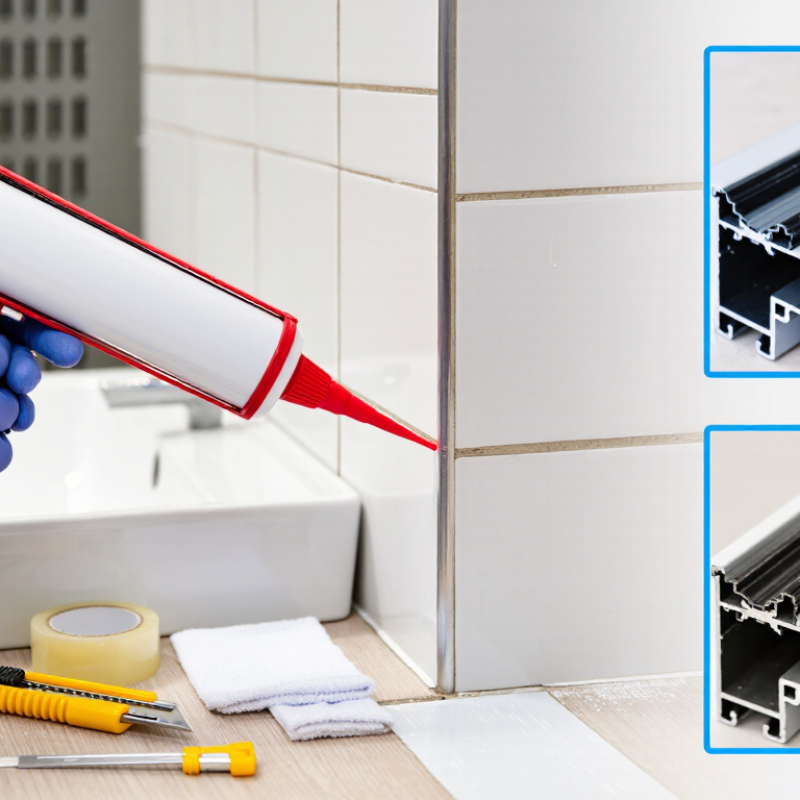
Define the Application and Performance Requirements
Choosing a silicone seal begins with the joint, not the cartridge. Record the substrates, joint width, movement, temperature range, and exposure before comparing products. A bathroom joint faces moisture and cleaners, while an exterior panel may endure sunlight, rain, and freeze-thaw cycles. Small details matter. Ask whether the seal must remain flexible, resist mold, or carry limited vibration. These requirements define performance more accurately than a generic “all-purpose” label.
In practical inspections, adhesion is often the weak point. Dust, oil, loose paint, and damp surfaces can cause early failure, even with suitable silicone. Check technical data for compatible substrates, primer requirements, cure conditions, hardness, elongation, and service temperature. Do not confuse skin formation with full cure. A thick bead may need much longer to cure through, especially in cool or poorly ventilated spaces. If the joint moves beyond the sealant’s tested capacity, cracking or separation can follow.
Chemical exposure deserves a realistic test. Cleaning agents, saltwater, fuels, and process fluids can affect performance differently. Request compatibility evidence for the actual fluid, concentration, and contact time. Standards and independent test reports add confidence, but field conditions still deserve attention. Start small. I would inspect a trial section before sealing hundreds of meters. It can reveal staining, poor tooling, weak adhesion, or an incorrect joint design. Even experienced installers make assumptions, and some fail when temperature or substrate conditions change. Document why the selected silicone matches the application.