


7 Tips to Improve Heart Rate Variability
Heart Rate Variability (HRV) describes the small changes in timing between one heartbeat and the next. Dr. Fred Shaffer, a researcher in psychophysiology, and coauthor J. P. Ginsberg define it as “a physiological phenomenon of variation in the time interval between heartbeats.” It is not a score of fitness by itself. Sleep, stress, illness, alcohol, training load, and even measurement conditions can influence the number.
Small shifts matter. But one low reading does not tell the whole story. A wearable may offer useful patterns, yet its readings can vary with device, posture, and timing. Compare measurements taken under similar conditions, and pay more attention to longer-term trends than a single morning’s result. Context matters.
This guide explores seven practical ways to support healthy HRV, including consistent sleep, manageable exercise, recovery, and stress-reduction habits. These steps can support overall wellbeing, but they are not guaranteed to raise everyone’s readings. Improvement is not always a straight line. A demanding week, a poor night’s sleep, or a developing illness may change the trend, even when routines remain steady.
The aim is not to chase a perfect number. It is to notice what your body may be responding to and make sensible adjustments. If HRV readings cause concern, or symptoms such as chest pain, fainting, or unusual shortness of breath occur, seek medical advice rather than relying on a wearable alone. A little uncertainty belongs here. HRV is informative, but it is only one part of the picture.
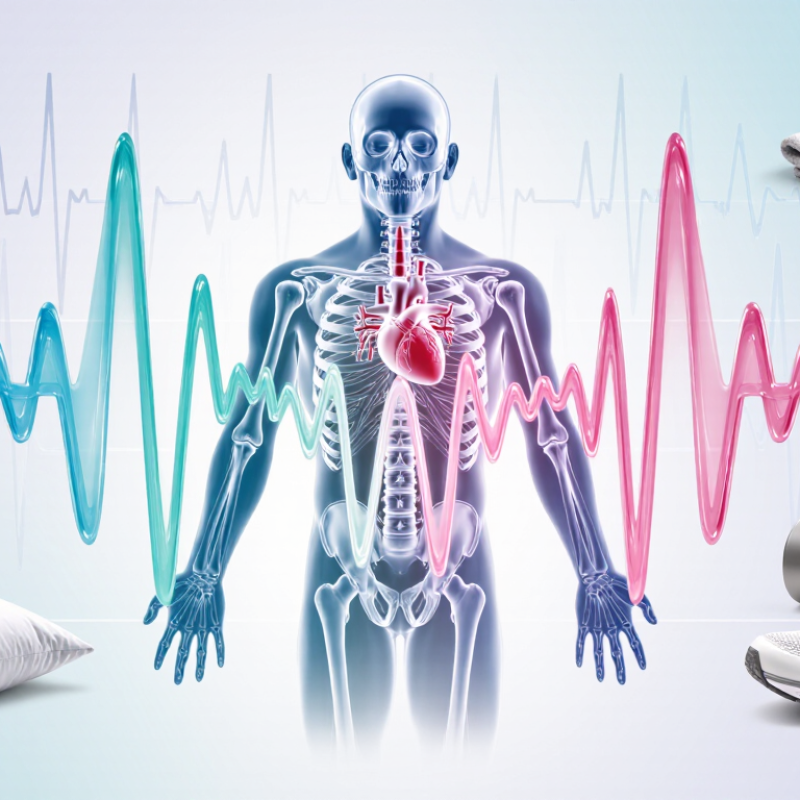
What Heart Rate Variability Measures
Heart rate variability (HRV) describes the changing time intervals between consecutive heartbeats, usually measured in milliseconds. It is different from heart rate, which counts beats per minute. A pulse of 60 beats per minute does not mean every beat arrives exactly one second apart. Tiny differences matter. HRV reflects signals from the autonomic nervous system, which helps regulate functions such as breathing, circulation, and the body’s response to demands. It is an indirect measure, not a direct reading of stress or fitness.
Sleep, illness, alcohol, hard training, and even a restless night can affect a reading. Breathing matters, too: intervals often shift naturally as you inhale and exhale. A low value on one morning does not explain why it happened. Context matters. Comparing readings over time, under similar conditions, is usually more useful than reacting to a single number. For example, a week of shorter sleep alongside a changing personal trend may be worth noticing, though it cannot prove the cause.
Measurement methods also differ. A chest sensor may capture beat timing differently from a wrist device, which can be affected by movement or a loose fit. Some systems report different HRV calculations, so their numbers may not be directly comparable. I’d be cautious about treating any single score as a verdict; the signal is useful, but not perfectly clear. HRV cannot diagnose a medical condition, and persistent symptoms deserve advice from a qualified health professional.
