Top 10 Back Stretchers for Back Pain Relief?
Low back pain affects an estimated 619 million people worldwide, according to the World Health Organization’s 2023 fact sheet. The Global Burden of Disease Study also identifies it as a leading cause of disability. These numbers make home-based relief tools attractive, including the increasingly popular Back Stretcher.
Yet popularity is not proof. A Back Stretcher may create gentle spinal extension, reduce muscle tightness, or provide short-term comfort after sitting. Results can differ sharply between users. A rigid arch might feel supportive to one person, but painful against another person’s lower ribs. People with numbness, weakness, recent injury, osteoporosis, or diagnosed spinal conditions should seek qualified medical advice before use.
Dr. Stuart McGill, a leading spine biomechanics researcher, has warned: “The spine is not a structure that likes to be bent and twisted under load.” His observation supports careful comparison rather than exaggerated promises. The best products should be judged by adjustability, padding, stability, materials, user instructions, and realistic clinical claims.
This guide examines ten leading Back Stretchers for back pain relief. It considers how each design feels on a firm floor, how easily it fits different body shapes, and whether its instructions encourage gradual use. Evidence for passive stretching devices remains limited. That matters. Comfort can be useful, but it does not replace movement, rehabilitation, or professional diagnosis. Some rankings may remain subjective, because personal fit is difficult to measure in a living room.
Back Pain by the Numbers: WHO’s 2023 Global Burden and Stretching Context
Back pain is not a niche complaint.
The World Health Organization reported that 619 million people lived with low back pain in 2020, with cases projected to reach 843 million by 2050. In 2023, WHO guidance emphasized non-surgical care, education, exercise, and appropriate self-management. This context matters when reviewing the top 10 back stretchers for back pain relief.
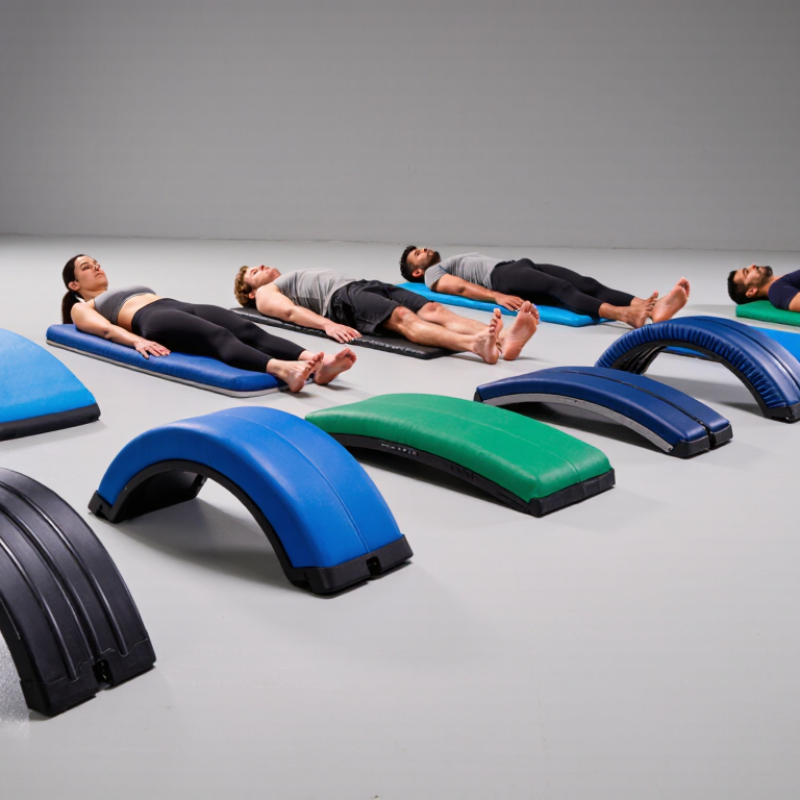
The ten options may include lumbar arches, foam rollers, inflatable supports, traction devices, stretching benches, and gentle mobility tools. Each creates a different type of pressure or movement. A curved stretcher can open the front of the hips, while a roller may improve comfortable movement around the spine. Neither tool should be treated as a cure. Pressure is not proof. Short sessions and slow breathing are safer starting points than forceful stretching.
Evidence generally supports exercise-based care more strongly than passive gadgets alone. A physiotherapist can help match a device to symptoms, posture, strength, and medical history. Stop if pain travels down the leg, numbness increases, or weakness appears. Seek urgent medical attention for bladder or bowel changes, saddle numbness, fever, or sudden severe pain. I have found that comfort can be misleading; a device may feel helpful today but irritate tissues later. That uncertainty deserves honest attention. The best choice is usually the tool that encourages regular, controlled movement without fear or excessive pressure.