


Top 10 Best EV Tires for Electric Cars in 2026
Choosing tires for an electric car involves more than matching the wheel size. EVs often deliver instant torque and carry heavy battery packs, which can increase tread wear and make tire choice more noticeable. That matters. Road noise also stands out in a quiet cabin, while rolling resistance can affect driving range.
This guide to the Top 10 Best EV Tires for Electric Cars in 2026 explains what to compare before buying. It looks at wet and dry grip, tread life, ride comfort, noise, efficiency, and load ratings. These details help distinguish tires designed specifically for electric vehicles from conventional options that may also fit. Ev Tires are not automatically the right choice for every driver; climate, road conditions, vehicle specifications, and budget still matter.
The recommendations should be treated as a practical starting point, not a promise of identical results. Tire performance varies with vehicle, driving habits, pressure, temperature, and maintenance. Range figures can be especially difficult to compare because test methods and conditions differ. No tire is perfect. A model that feels composed on a wet highway may cost more or wear differently on rough city streets. Check the manufacturer’s specifications and your vehicle manual before choosing. A careful match can improve confidence and comfort, but even the best-rated tire requires regular inspection and correct inflation.
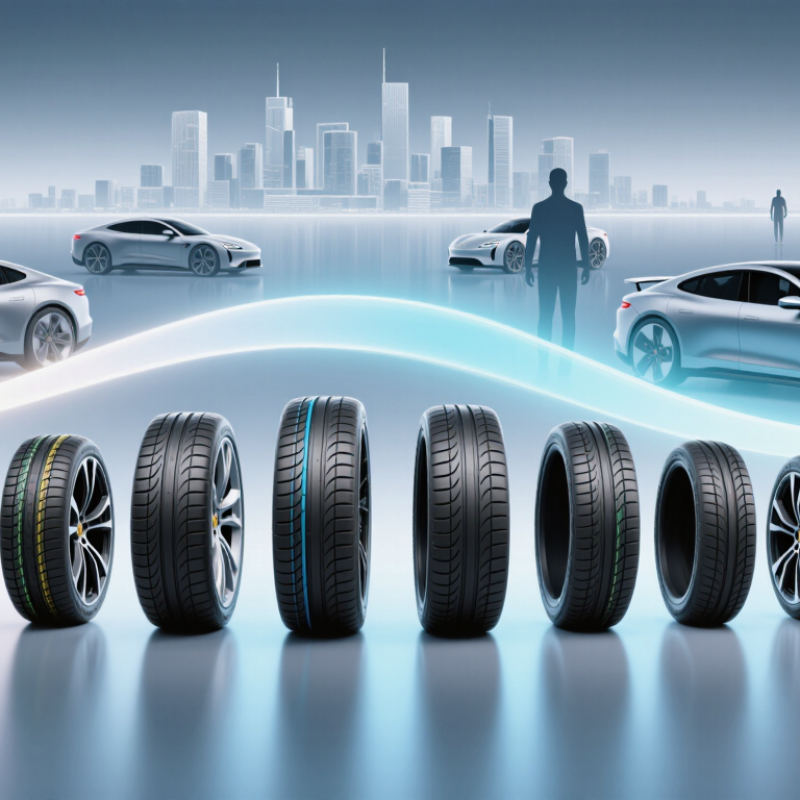
How Electric Vehicles Change Tire Requirements
Electric vehicles change tire demands in ways drivers can feel. A battery pack often adds substantial weight, so tires must carry the vehicle’s specified load without running underinflated. Check the load index and pressure listed in the owner’s manual or door placard; appearance alone tells you little.
Instant motor torque can also stress the tread, especially during hard starts. Smooth acceleration helps, but it cannot erase the effect. Low rolling resistance may extend driving range, yet grip and wet braking still matter. The best balance depends on the car, climate, and driving habits—not simply an “EV” label.
Cabin quietness raises another detail. With less engine noise, tire hum on rough pavement can become obvious, particularly at highway speed. Some tires reduce that sound, though tread design and road surface both play a part. Quiet matters. So does traction. A softer compound may feel composed but wear faster under heavy loads or frequent acceleration. Tire choices involve trade-offs, and range estimates can vary with temperature, pressure, and route. Check tread depth regularly, inspect for uneven wear, and replace tires in line with the vehicle maker’s guidance.
