What Are the 2026 Top Red Light Therapy Belt Types?
Choosing a Red Light Therapy Belt in 2026 requires more than comparing LED counts or polished product photos. The leading designs now include flexible wraparound belts, targeted abdominal belts, dual-wavelength models, and app-connected systems. Each type serves a different practical need. A flexible belt may follow the waist comfortably during a short evening session. A targeted model may feel more focused around the lower back or knee. However, more light does not automatically mean better results. Wavelength, irradiance, treatment time, fit, and build quality matter together.
Dr. Michael R. Hamblin, a leading photobiomodulation researcher, has described the principle clearly: “Photobiomodulation uses light to influence biological activity without heating tissue.” That distinction is important. A quality Red Light Therapy Belt should feel gently warm, not painfully hot. It should provide transparent technical specifications and clear safety guidance. Look for tested wavelengths, adjustable straps, eye-safety instructions, and realistic usage recommendations. Marketing claims can sound impressive. Evidence may be less certain.
This guide examines the top Red Light Therapy Belt types expected in 2026, comparing their construction, light delivery, comfort, portability, and intended use. Some categories overlap. That is worth remembering. A belt can be flexible and dual-wavelength at the same time. Personal comfort may also influence consistency more than advanced features. A technically impressive device may remain unused in a drawer. The best choice is not always the most expensive one. It is the model that fits your body, routine, and evidence-based expectations. There is still room for better research.
Definition and Core Features of Red Light Therapy Belts
What Are the 2026 Top Red Light Therapy Belt Types?
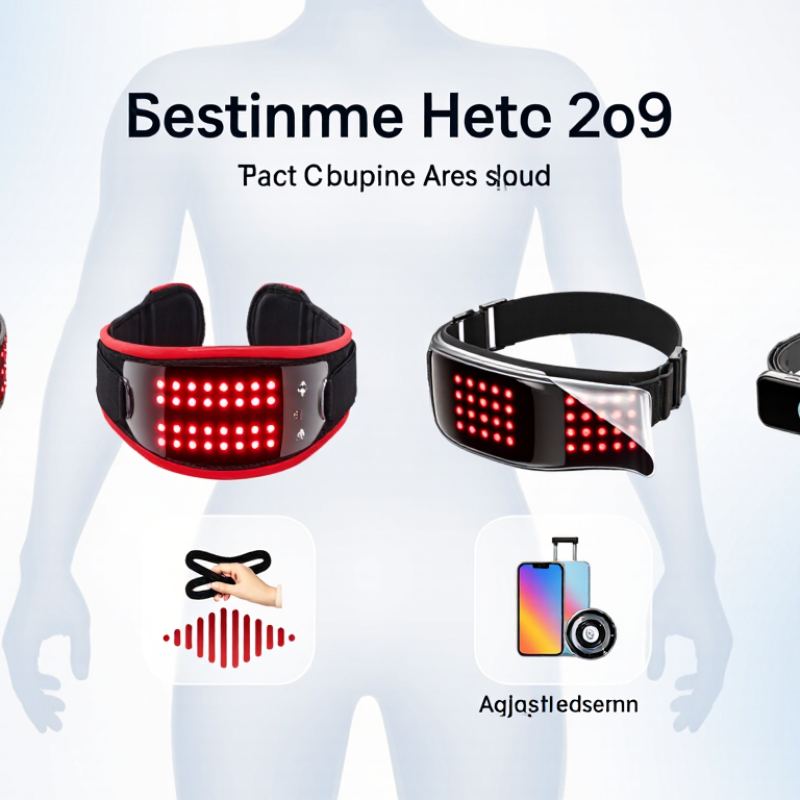
A red light therapy belt is a flexible wearable device that places LED light across the waist, back, shoulder, or limb. It delivers selected wavelengths to the skin for controlled photobiomodulation. Most systems use red light near 630–660 nanometres and near-infrared light near 810–850 nanometres. Red light mainly targets surface tissue, while near-infrared light may reach deeper areas. Wavelength is important. It is not the only factor.
The main 2026 belt types include single-zone wraps, multi-zone panels, and cordless adjustable belts. Single-zone models suit focused areas, such as the lower back. Multi-zone belts cover the abdomen and hips with overlapping LED sections. Cordless designs improve movement, but battery weight can affect comfort.
Core features should include measured irradiance, session timing, wavelength disclosure, heat control, and secure fastening. A bright belt is not automatically a stronger belt.
Grand View Research’s photobiomodulation market analysis identifies rising demand for non-invasive wearable devices, while MarketsandMarkets projects continued growth in light-based therapy technologies through the decade. These reports indicate expanding interest, not guaranteed clinical outcomes.
The World Association for Laser Therapy stresses dose, wavelength, and treatment consistency. Users should check energy density, often stated in joules per square centimetre, rather than judging performance by LED count.
Some product specifications remain unclear. That deserves scrutiny. A belt with uneven contact may leave visible gaps, especially around the spine and waist.
Professional guidance remains sensible for people with photosensitivity, implanted medical devices, or ongoing treatment.