


Top Active Optical Cable Manufacturers in China
China’s optical connectivity sector is drawing attention as data-center traffic and computing demands continue to rise. An Active Optical Cable (AOC) combines optical fiber with electrical-to-optical conversion, making it useful for short-reach links where flexibility and reduced cable weight matter. It is not the right choice for every connection.
IDC’s Global DataSphere research estimated that 64.2 zettabytes of data were created or replicated worldwide in 2020, and projected 175 zettabytes by 2025. That forecast signals the scale of the infrastructure challenge, though it is not a direct measure of AOC sales. Cisco’s Annual Internet Report, 2018–2023, also projected monthly global internet traffic of 396 exabytes by 2022. Together, these reports help explain why data-center operators scrutinize bandwidth, power use, and cable management.
Choosing among Chinese manufacturers takes more than comparing headline speeds. Buyers should examine product specifications, connector options, interoperability evidence, quality controls, and support for testing or customization. Ask for current documentation. A polished catalog is not proof of performance. Public information can also be uneven, so supplier claims should be checked against test results and customer requirements. This guide introduces notable Active Optical Cable manufacturers in China and outlines practical points for evaluating their products. The comparison is useful, but not definitive: application needs and verification matter.
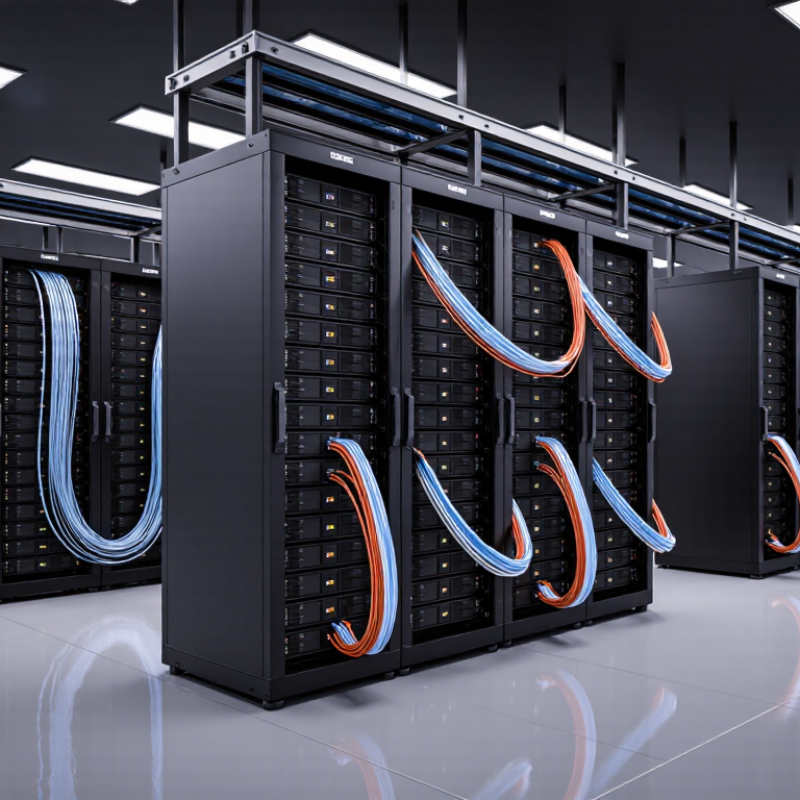
What Active Optical Cables Are and How They Work
An active optical cable (AOC) combines optical fiber with transmitter and receiver electronics built into its connectors. It carries data between equipment ports by converting electrical signals into light, then converting the light back into electrical signals. Inside the cable, an optical source sends light through thin glass fibers. A detector at the receiving end reads the signal.
That conversion matters.
Unlike a passive fiber link, an AOC contains active components and usually draws power from the connected devices. It can support high data rates over longer distances than many copper cables, while resisting electromagnetic interference. The cable may also be lighter and easier to route through a crowded rack. Still, it has limits. An AOC must match the equipment’s interface, supported data rate, and required distance.
When comparing AOCs from manufacturers in China, check connector type, cable length, power requirements, and compatibility details. A clear specification sheet is useful, but it does not replace testing with the actual switches or servers. Inspect bend radius, too; a tight turn can stress the fiber.
Small details matter. The best choice depends on the installation, not just the headline speed.
And compatibility claims deserve a second look.
