


What Are the Top Back Stretcher Board Manufacturers in China?
Choosing a Back Stretcher Board manufacturer in China takes more than comparing product photos and quoted prices. Buyers need to understand how each supplier controls materials, dimensions, assembly, and final inspection. A board may look sturdy online, yet feel unstable when its hinges shift or its surface flexes under pressure. Small details matter.
This guide looks at manufacturers through practical buying criteria: production experience, product specifications, quality checks, customization, and communication. Ask for clear information about the board’s material, adjustment levels, weight capacity, surface finish, and packaging. Request product samples when possible. A sample can reveal rough edges, loose joints, or an uncomfortable surface that a catalog image will not show. It is a simple check.
Reliable suppliers should explain their inspection process and provide consistent answers about lead times and order requirements. Factory photos, certificates, and test reports can help, but they should be reviewed in context rather than treated as proof on their own. Verify that documents match the product and supplier being discussed. This can take time. It is worth doing. Manufacturer rankings can also change as product lines, ownership, or quality systems change. No list replaces direct evaluation. The sections ahead introduce notable Chinese manufacturers and offer a grounded framework for comparing them, so buyers can shortlist suppliers with fewer assumptions and better questions.
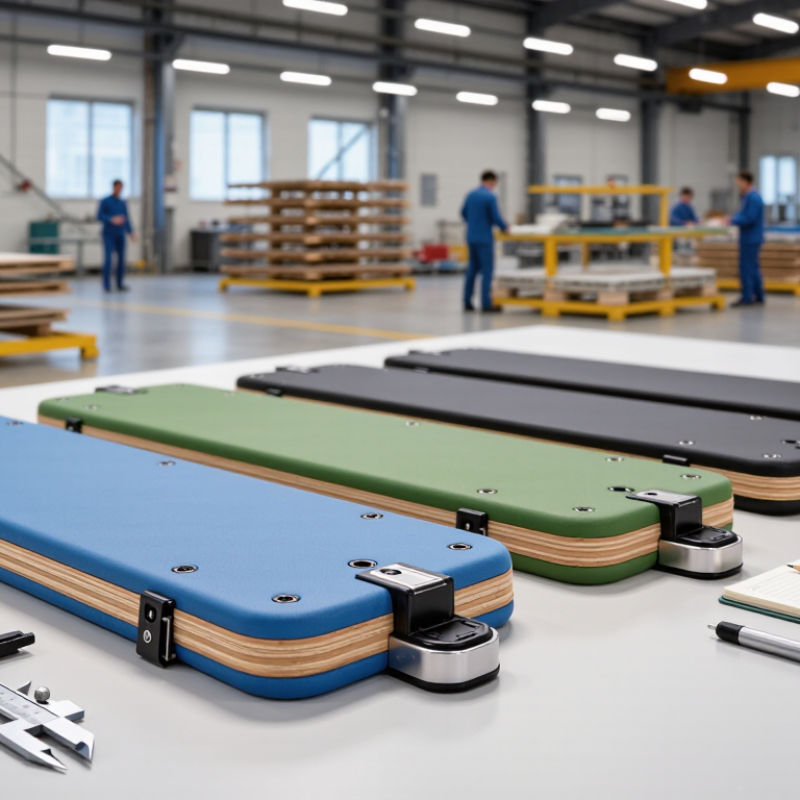
What Is a Back Stretcher Board and How Is It Used?
A back stretcher board is a curved support designed to provide a gentle extension stretch while you lie on your back. Many boards have raised ridges or adjustable arch levels. The curve supports the middle or lower back, depending on how you position it. It is not a medical treatment or a guaranteed fix for back pain.
To use one, place the board on a firm, level floor and sit beside it. Lower yourself carefully, aligning the curve with the area you want to stretch. Keep your knees bent and feet on the floor at first. Breathe normally and stay for a short period, such as one or two minutes. Go slowly. The first session may feel awkward, and a stronger arch is not always better.
Stop if you feel sharp pain, numbness, or worsening symptoms. People with ongoing back problems should ask a qualified healthcare professional before use.
Tips: Start with the lowest arch setting, and place a thin towel over the board if its ridges feel uncomfortable. Use it on a non-slip surface, and avoid bouncing or forcing your back into position. Increase the duration only if the stretch feels comfortable; progress can be gradual.
