Top 5 Car Parking System Innovations You Need to Know?
The evolution of the Car Parking System is reshaping urban mobility. As cities grow, efficient parking becomes crucial. According to a report by Statista, about 30% of urban traffic is caused by drivers searching for parking. This statistic highlights the urgency for innovative solutions in parking technology.
Recent developments have introduced smart parking systems. These systems leverage real-time data and mobile apps to enhance user experience. Moreover, studies show that intelligent parking solutions can reduce search times by up to 43%. Despite these advancements, challenges remain. Many cities struggle with integrating these systems effectively.
Investing in Car Parking System innovations is essential for sustainable urban planning. With the right technology, cities can reduce congestion and improve air quality. However, the disparity in technology adoption raises questions. Are all cities ready to embrace these changes? Reflecting on these issues can guide future improvements in urban parking strategies.
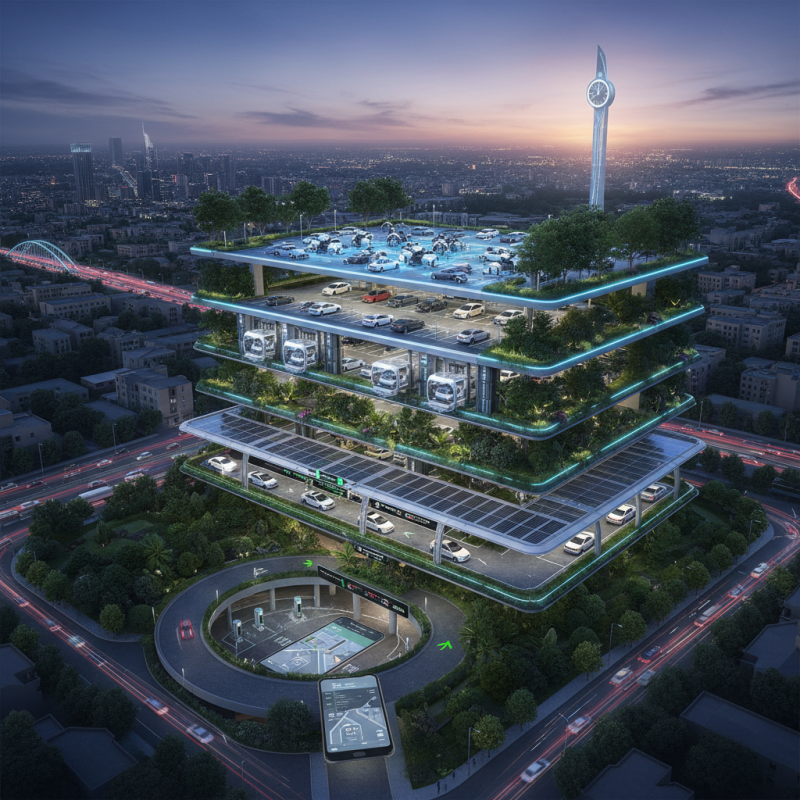
Emerging Technologies in Car Parking Solutions
The parking landscape is rapidly transforming due to emerging technologies. Smart parking systems enhance urban mobility and optimize space usage. These systems use real-time data to direct drivers to available spots. Sensors installed in parking lots monitor space occupancy. This reduces time spent searching for parking, which helps decrease traffic congestion.
Mobile applications are gaining popularity in car parking solutions. They allow users to reserve spots ahead of time. Users can also pay through their phones, making transactions quicker and more efficient. While these innovations offer convenience, accessibility remains a concern for some demographics. Not everyone is tech-savvy, and reliance on mobile apps can alienate certain users.
Another noteworthy development is automated parking systems. These technologies allow cars to park themselves without driver intervention. While they exhibit great potential, their implementation can be costly and challenging. Also, safety becomes a concern as these systems rely heavily on precision. Striking a balance between innovation and user trust is essential. Each advancement brings excitement but also necessitates careful consideration. Engaging with these technologies requires constant adaptation and reflection on their impact.
Top 5 Car Parking System Innovations You Need to Know
| Innovation | Description | Benefits | Potential Impact |
| Automated Valet Parking | A system where cars park themselves upon arrival at the facility. | Increased space efficiency and reduced need for human staff. | Promotes smart city solutions and optimizes urban space. |
| Smart Parking Sensors | Devices that detect available parking spots and relay information to drivers. | Reduces time spent searching for parking, minimizing traffic congestion. | Enhances urban mobility and reduces carbon emissions. |
| Mobile Parking Apps | Applications that allow users to find and reserve parking online. | Increased convenience and quicker access to parking facilities. | Supports digital transformation in the parking industry. |
| Electric Vehicle Charging Parking | Parking spaces equipped with EV chargers for electric cars. | Encourages the use of electric vehicles and promotes sustainability. | Facilitates the transition to cleaner transportation options. |
| License Plate Recognition | Technology that automatically identifies vehicles through their plates. | Enhances security and provides accurate data for parking management. | Improves efficiency in fee collection and monitoring. |
Smart Parking Sensors and Their Impact on Urban Mobility
Smart parking sensors are transforming urban mobility. These devices provide real-time data on available parking spaces. They enhance the parking experience for drivers in congested cities. This technology can reduce the time spent searching for parking, which often leads to traffic congestions.
The impact on urban mobility is significant. Sensors send alerts to drivers via mobile applications, guiding them directly to available spots. This efficiency saves fuel and reduces emissions. However, reliance on technology raises some concerns. Not every area has equal sensor coverage, leading to inconsistencies in data accuracy.
Moreover, user adoption varies. Some drivers may resist transitioning to smart parking solutions. Accessibility remains a challenge, especially for those without smartphones. These factors highlight the need for continuous improvement and integration of smart parking systems within urban infrastructures. As this technology evolves, careful consideration of these aspects is crucial for maximizing its potential benefits.
Automated Parking Systems: Redefining Space Efficiency
Automated parking systems (APS) are revolutionizing how we think about space efficiency in urban settings. These systems utilize advanced technology to park vehicles with minimal human intervention. By employing lifts, shuttles, and rotating platforms, APS can fit more cars into smaller areas. This innovation directly addresses the growing issue of limited parking space in busy cities.
One striking feature of automated parking is its ability to reduce land use significantly. Traditional parking lots require substantial space, often leading to wasted real estate. In contrast, APS can condense the parking footprint while maximizing capacity. However, the implementation of these systems is not without challenges. Initial costs can be high, and educating the public about using new technology takes time.
Additionally, reliability remains a concern. While many systems function efficiently, occasional glitches can occur. It's essential for developers to focus on continuous improvements and user-friendly interfaces. As cities grapple with congestion and space issues, the potential for automated parking systems is immense. Embracing these innovations could lead to smarter, more efficient urban landscapes.
Electric Vehicle Charging Integration in Parking Facilities
Electric vehicles (EVs) are on the rise. According to the International Energy Agency (IEA), global electric car sales reached 6.6 million units in 2021, an increase of 108% compared to 2020. This surge necessitates effective integration of charging stations in parking facilities. However, many parking structures still lack adequate charging options, which can hinder EV adoption.
Innovative parking systems now include charging technologies that can accommodate multiple vehicles simultaneously. Dynamic charging solutions allow EVs to charge while parked. A recent report from MarketsandMarkets suggests that the EV charging market could surpass $121 billion by 2030, reflecting growing investment in infrastructure. However, integrating these systems isn't without challenges. Existing electrical loads and space constraints can complicate implementation.
Several municipalities have begun retrofitting old parking structures with charging stations. This often requires navigating regulations, costs, and community acceptance. A 2022 survey indicated that 65% of respondents were more likely to use a parking facility with EV charging. Yet, only 20% of parking operators offer this service. This gap reflects the need for continued innovation and adaptation in the parking industry to support the shift toward sustainable transportation.
Top 5 Car Parking System Innovations You Need to Know
Data-Driven Approaches for Optimizing Parking Management Systems
Innovations in car parking systems are transforming urban mobility. Data-driven approaches are key to optimizing these systems. According to a recent report by the International Parking Institute, implementing smart parking solutions can reduce search time for parking by up to 30%. This not only saves time but also cuts carbon emissions.
Parking management that uses real-time data helps in understanding demand patterns. This data enables cities to make informed decisions. For instance, research indicates that cities using predictive analytics see a 20% increase in parking efficiency. Streamlined operations lead to better resource allocation and improved user experience.
Tips for optimizing parking management: Leverage technology to monitor parking occupancy. Use mobile apps for real-time updates on available spaces. Regularly analyze historical data to refine parking strategies. Make it a habit to review user feedback, even if it’s not always positive. Not every system is perfect; some may struggle with underutilization, revealing areas for improvement. Aim for continuous development to foster an adaptive environment.