


Top EVbox Charging Stations Suppliers in China?
Finding reliable Evbox Charging Stations suppliers in China requires more than comparing prices or product photos. Buyers should clarify whether they need genuine EVBox equipment, compatible charging products, or manufacturing partners for related components. These categories are not interchangeable. A supplier’s wording can be vague, so request exact model numbers, product documentation, and written confirmation of its commercial relationship to the brand.
This guide explains how to assess potential suppliers using practical, verifiable criteria. Check factory capabilities, quality-control procedures, charging specifications, connector options, and after-sales support. Ask for recent product records and references that match your intended market and installation needs. Small details matter. A clear label, responsive technical contact, and consistent test documentation can reveal more than a polished catalog.
No single supplier suits every project. Some buyers prioritize customization, while others need established products, stable lead times, or support for installation partners. Compare quotations on equal terms, including warranty coverage, spare parts, packaging, and delivery arrangements. Verify claims independently where possible. Supplier information can change, and online listings may not reflect current authorization or production capacity. This overview offers a starting point, not an endorsement. Careful checks still matter.
What Are EVBox Charging Stations and How Do They Work?
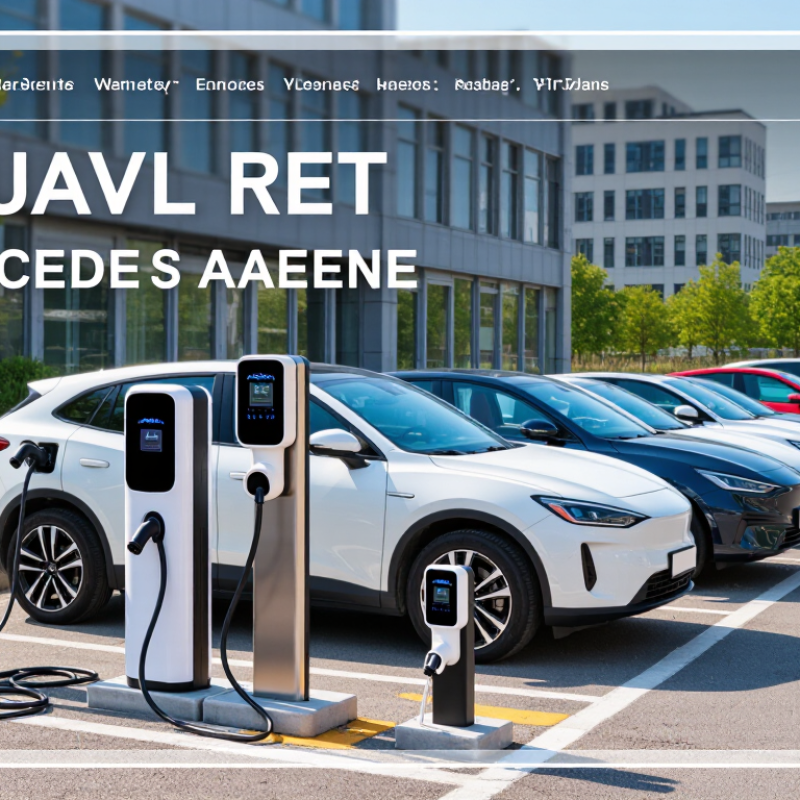
An EV charging station delivers electricity through a cable and connector, while built-in controls check that the vehicle is ready. With AC charging, the vehicle’s onboard charger converts grid electricity into the form its battery can store. DC fast chargers perform that conversion inside the station and send power directly to the battery. Charging speed depends on both the station’s output and the vehicle’s limits. More power does not always mean faster charging.
Communication matters. The station and vehicle exchange information about connection status, temperature, and safe charging levels. Sensors and protective circuits can pause power if they detect a fault. Some stations also share available power across several connected vehicles, which helps manage demand at a site. Access may use an app, payment terminal, or access card, depending on the setup. Small details count. A stiff cable can be awkward in cold weather, and confusing screen prompts can slow a simple stop. Charging equipment is not always as intuitive as its diagram suggests. Clear instructions and routine inspections make the experience more dependable.
