


Top Red Light Therapy Spa Equipment Suppliers?
Choosing the right Red Light Therapy Spa equipment supplier requires more than comparing panel sizes or promotional prices. A professional spa needs dependable devices, clear technical specifications, and support that continues after installation. Wavelength accuracy, irradiance measurements, treatment distance, cooling systems, eye protection, and session controls all deserve careful review. Small details matter. A loose cable or unclear timer can disrupt a busy treatment room.
Dr. Michael R. Hamblin, a leading photobiomodulation researcher, describes the field this way: “Photobiomodulation is the use of light to stimulate healing, relieve pain, and reduce inflammation.” His statement reflects the technology’s clinical potential, but it also encourages responsible expectations. Red light therapy should not be marketed as a universal cure. Supplier claims should match published evidence, product documentation, and realistic treatment goals. Some vendors sound convincing. Their specifications may still be incomplete.
This guide examines top Red Light Therapy Spa equipment suppliers through an experience-based and professional lens. It considers device performance, safety documentation, staff training, warranties, maintenance, and customer service. It also looks at how suppliers support different spa environments, from compact facial rooms to larger wellness studios. A strong supplier should explain technical limits clearly, not hide them behind bright photographs and vague promises. That judgment can be difficult when every brand claims superiority. Still, careful comparison protects both the spa’s investment and its clients’ trust. The best choice may not be the cheapest or most famous option. It should be the most transparent, supportable, and suitable for daily professional use.
What Is Red Light Therapy Spa Equipment?
What Is Red Light Therapy Spa Equipment?
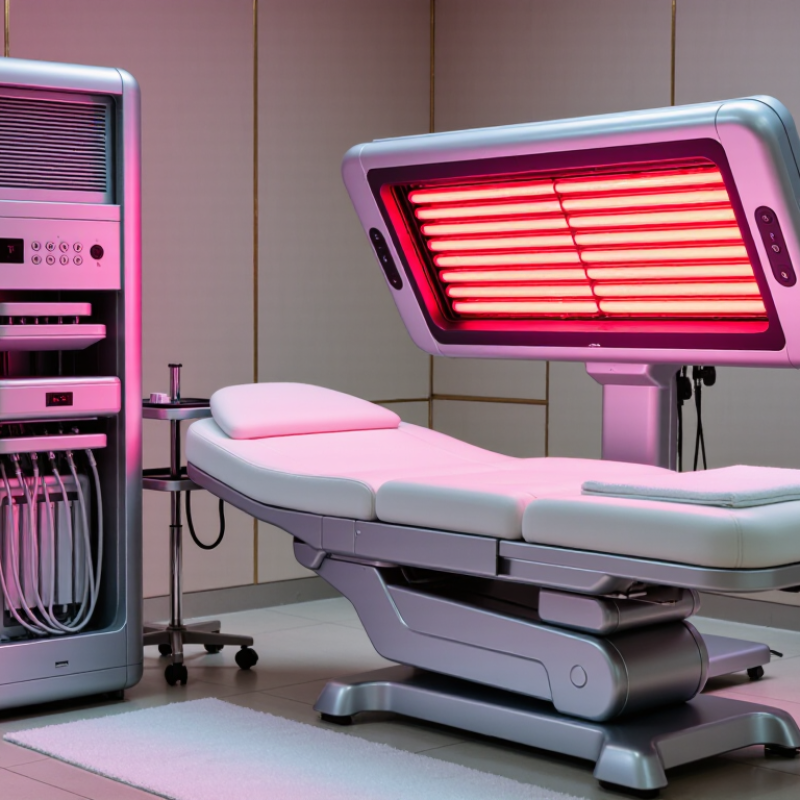
Red light therapy spa equipment uses light-emitting diodes to deliver red and near-infrared wavelengths to the skin. Common red wavelengths range from red 630–660 nanometers, while near-infrared devices often use 810–850 nanometers. These systems include standing panels, reclining beds, facial canopies, and smaller targeted units.
The equipment does not tan the skin. It aims to provide non-invasive photobiomodulation, a process studied for cellular energy and tissue-support responses. Treatment quality depends on wavelength, irradiance, exposure time, and distance from the light source. A bright panel is not automatically a better panel. That assumption needs questioning.
Grand View Research reported continued growth in the global photobiomodulation market, supported by wellness and cosmetic applications. The Global Wellness Institute valued the broader wellness economy at 6.3 trillion US dollars in 2023. These figures show commercial interest, not guaranteed treatment results. Peer-reviewed research also reports mixed outcomes across skin, pain, and recovery applications. Spa operators should describe equipment accurately and avoid medical promises.
Tips: Ask suppliers for independent irradiance tests, wavelength tolerances, and electrical safety documentation. Check whether measurements apply at the client’s actual treatment distance. Cleanable surfaces matter in busy rooms. Provide eye protection when the manufacturer requires it. Record session time and client feedback, but remember that self-reported improvement can be imperfect. Temperature, comfort, and staff training also influence the real customer experience.
