


Top Undermount Kitchen Sink Manufacturers in China
An Undermount Kitchen Sink is more than a bowl fitted beneath a countertop. Its rim disappears from view, leaving crumbs and water easy to sweep directly into the basin. That clean transition can look simple, but installation depends on precise measurements, a secure mounting system, and a countertop suitable for the chosen sink. Small details matter: basin depth, drain position, steel thickness, and how the cabinet handles a full basin.
Demand reflects a practical renovation priority. The 2024 U.S. Houzz Kitchen Trends Study documents sink upgrades as a common part of kitchen renovations, showing why buyers compare function as closely as appearance. For manufacturers, this creates a demanding brief: consistent welding, smooth finishes, reliable accessories, and packaging that protects corners during shipment. China’s General Administration of Customs publishes trade statistics that can help importers assess export activity, though those figures alone cannot verify a factory’s quality or capacity. Buyers still need samples, production records, and clear inspection criteria.
This guide introduces leading Undermount Kitchen Sink manufacturers in China and the factors that distinguish them. We look at materials, customization, quality controls, export experience, and communication—not just catalog photographs. A polished sample is useful. It is not enough. Factory claims deserve verification, and specifications can be less clear than they should be. That is worth remembering before requesting a quotation.
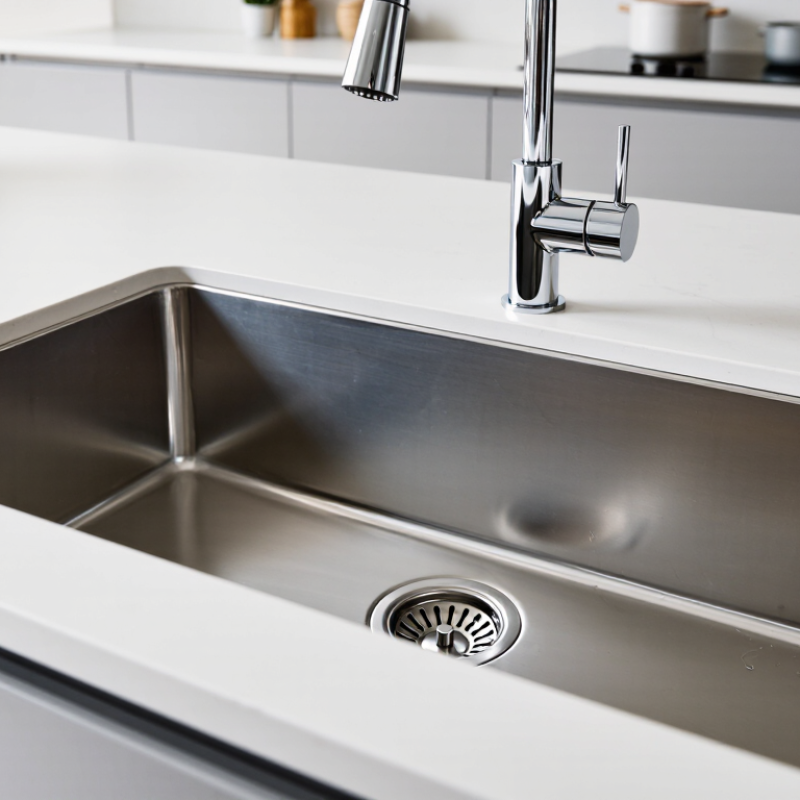
Undermount Kitchen Sinks: Design, Materials, and Installation Fundamentals
An undermount kitchen sink is fixed beneath the countertop, leaving a clean edge and an uninterrupted work surface. Its shape affects daily use: a single deep bowl fits baking trays, while divided bowls help separate washing and rinsing. Stainless steel is light, practical, and relatively forgiving of impacts, though thin steel may sound hollow. Granite-composite options feel solid and mute noise, but their weight calls for careful cabinet support. Small details matter. Check the bowl depth, corner radius, and drain position against your cookware and plumbing before choosing.
Installation depends on the countertop material and the sink’s weight. Stone and solid-surface tops are commonly suitable, but the fabricator should confirm the mounting method for the specific material. The rim must sit level beneath the cutout, with clips or a support frame holding the basin securely. Measure twice. A bead of compatible sealant helps block water at the joint; too much can squeeze into view and collect grime. Allow the sealant to cure as directed before using the sink. Check that the drain aligns without forcing the pipe, and run water while inspecting the cabinet below. Even experienced installers can miss a slight gap at the back. It happens. A final close inspection with a flashlight can reveal it before regular use.
