What Is a Vision Inspection Machine and How Does It Work?
A Vision Inspection Machine uses cameras, lighting, optics, and software to examine products without touching them. It can detect scratches, missing components, incorrect labels, surface defects, and dimensional errors. In a factory, a camera may capture a bottle cap within milliseconds. The system then compares that image with defined acceptance standards.
Machine-vision specialist Dr. Alexander Hornberg describes the field this way: “Machine vision is the technology and methods used to provide imaging-based automatic inspection and analysis.” His statement highlights an important point. The machine does not simply “see” like a human inspector. It converts light into digital data, processes selected features, and makes a programmed decision. Engineers typically adjust exposure, lens position, contrast, and inspection thresholds during setup. Small changes in ambient light can affect results. That detail is easy to underestimate.
The inspection cycle usually follows a clear path: image capture, image processing, defect classification, and production response. A controller may trigger an alarm, stop a conveyor, or remove a rejected item with an air jet. Reliable systems also record images and results for traceability and process improvement. However, no Vision Inspection Machine is automatically accurate in every situation. Transparent surfaces, reflective metal, dust, vibration, and inconsistent product placement can create false rejects. Human review remains valuable during commissioning and unusual events. That is where practical experience matters. A strong system is not merely fast; it is carefully validated against real production conditions. Even then, inspection settings should be reviewed as products, lighting, and defects change.
What Is a Vision Inspection Machine?
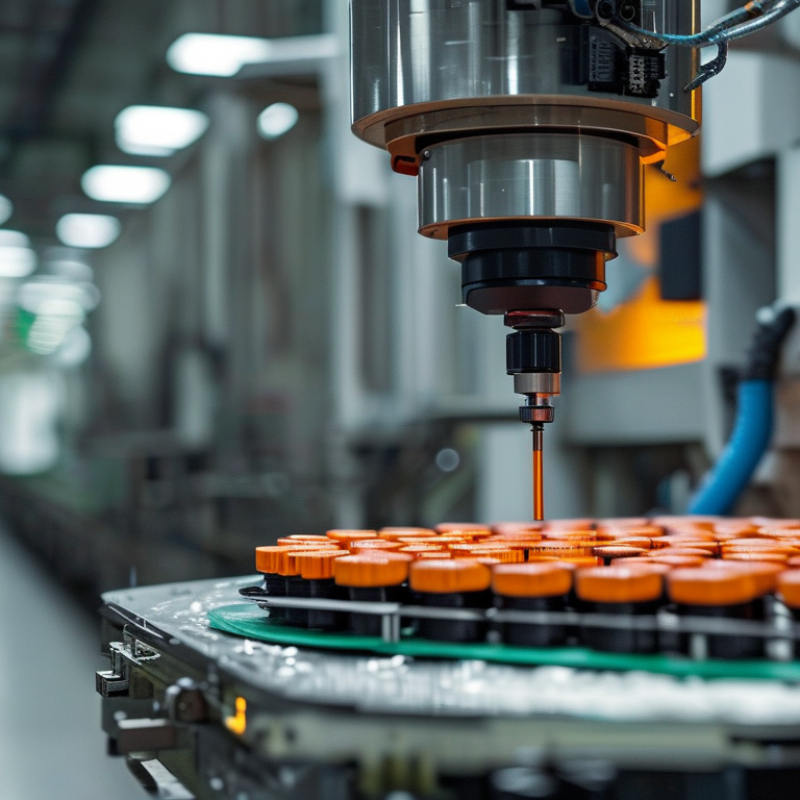
A vision inspection machine is an automated system that checks products through cameras, lighting, and software. It captures images of surfaces, shapes, labels, dimensions, or assembly points. The system then compares each image with programmed standards. A controller accepts, rejects, or flags the item for human review.
Its structure is practical. A camera records the product, while controlled lighting reveals scratches, gaps, stains, or missing parts. Image-processing software measures visible features and identifies unusual patterns. The machine may also use sensors, conveyors, and pneumatic mechanisms. In a production line, decisions often occur within milliseconds. The process is faster and more consistent than manual checking, especially during long shifts.
Industry data shows why adoption is increasing. MarketsandMarkets estimated the global machine vision market at about 14 billion dollars in 2023, with continued growth expected through 2028. The International Federation of Robotics also reported 541,302 industrial robots installed worldwide in 2023. Many of these systems depend on reliable visual inspection. Still, machine vision is not infallible. Dust, glare, vibration, and changing product colors can produce false results. A perfectly clean test sample may hide real factory conditions. Engineers should validate the system with defective samples, varied lighting, and regular performance checks. Human review remains valuable when defects are ambiguous or safety consequences are serious.