


What Is the Best 12V Mini UPS to Buy?
Choosing the best 12v Mini Ups means matching its real-world performance to the device you need to keep running. A compact unit may look ideal beside a router, fiber modem, security camera, or small network switch, but size alone tells you very little. Check the output voltage, maximum current, connector size, and polarity against your device’s label or manual. A mismatch can make a promising unit unsuitable.
Think about what happens during an outage. Does the UPS keep your router online for a brief power flicker, or do you need enough runtime to finish a work call? Look for clearly stated battery capacity and output specifications. Treat advertised runtime as an estimate, since actual results depend on the connected load and battery condition. Small details matter. A useful display or indicator can show battery status at a glance, while multiple output options may help with compatible devices. Check charging time, safety protections, warranty terms, and whether the package includes the cable you need. That last detail is easy to miss.
There is no universal winner. The best model for a low-power router may not suit a camera with a higher current draw. One awkward trade-off is that a smaller, lighter UPS may be easier to place but offer less backup time. This guide compares the features that matter and explains what to verify before buying. Use your device’s specifications as the starting point, not a product photo or a headline runtime claim. That approach may take an extra minute, but it can prevent a frustrating mismatch.
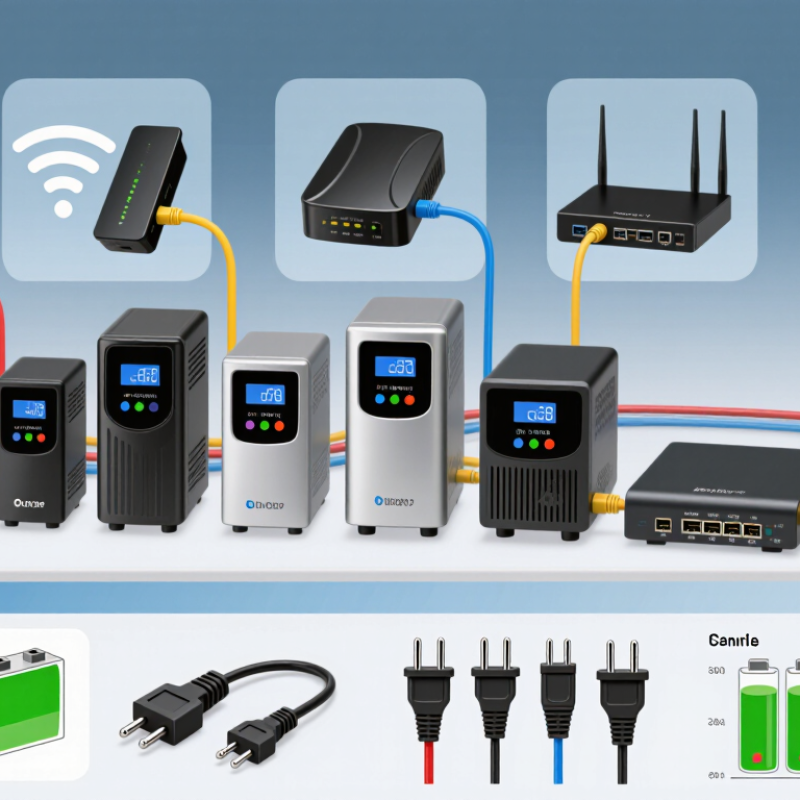
What a 12V Mini UPS Is and How It Works
A 12V mini UPS is a small battery backup that supplies direct current to devices such as routers, modems, and security cameras. While mains power is available, its charger replenishes the battery. During an outage, internal switching keeps power flowing, often through a regulated 12V output. Power fails. Check the device label: voltage, current, connector size, and polarity must match. A mismatch can stop the device from working or cause damage. Battery capacity gives a rough runtime estimate: a 12V, 2Ah battery stores 24Wh nominally. A 6W load would use that energy in about four hours in ideal conditions. In reality, conversion losses, battery age, and cutoff settings shorten runtime. Runtime math is useful, but a little too neat.
Compatibility matters as much as capacity. A mini UPS rated for 12V may offer several output voltages, but not every port supplies the same current. Add the power needs of connected devices and leave some margin. Uptime Institute’s 2024 Annual Outage Analysis found that 54% of surveyed organizations said their latest significant outage cost more than $100,000; that finding concerns data centers, not home routers, but it shows why backup power reliability deserves attention. IEC 62040-3:2021 sets performance and test requirements for UPS equipment. For a small DC unit, compare its stated output behavior and battery specifications, rather than relying on a large runtime claim alone. Check the manual, too.
