


Why Buy a Vintage Tourist Car for Your Business?
A Vintage Tourist Car can turn an ordinary sightseeing trip into a memorable part of the journey. Its polished bodywork, bench seating, and distinctive engine note give guests something to photograph and talk about. For a tour operator, that character may help a business stand apart from standard transport services. The vehicle itself becomes part of the experience.
But charm alone does not make a sound business purchase. Before buying, consider the routes you serve, passenger comfort, seasonal demand, and how often the car may need maintenance. Ask a qualified mechanic to inspect the vehicle, including its brakes, tires, steering, and service history. Keep realistic estimates for repairs, fuel, storage, and downtime. A beautiful car can spend more days in a workshop than on the road. That matters.
The right choice depends on your customers and operating model. A compact vintage car may suit short town tours, while a larger vehicle could work better for groups. Check that the design supports safe entry and exit, and assess whether it meets applicable local requirements for commercial passenger use. Confirm insurance and operating costs with relevant professionals before committing. Not every day will be profitable. Weather, accessibility needs, and changing visitor numbers can affect demand. A vintage vehicle may also require more hands-on care than a modern fleet car. That is worth considering honestly. This guide explores the practical benefits, likely challenges, and questions business owners should ask before purchasing, so the decision rests on evidence as well as appeal.
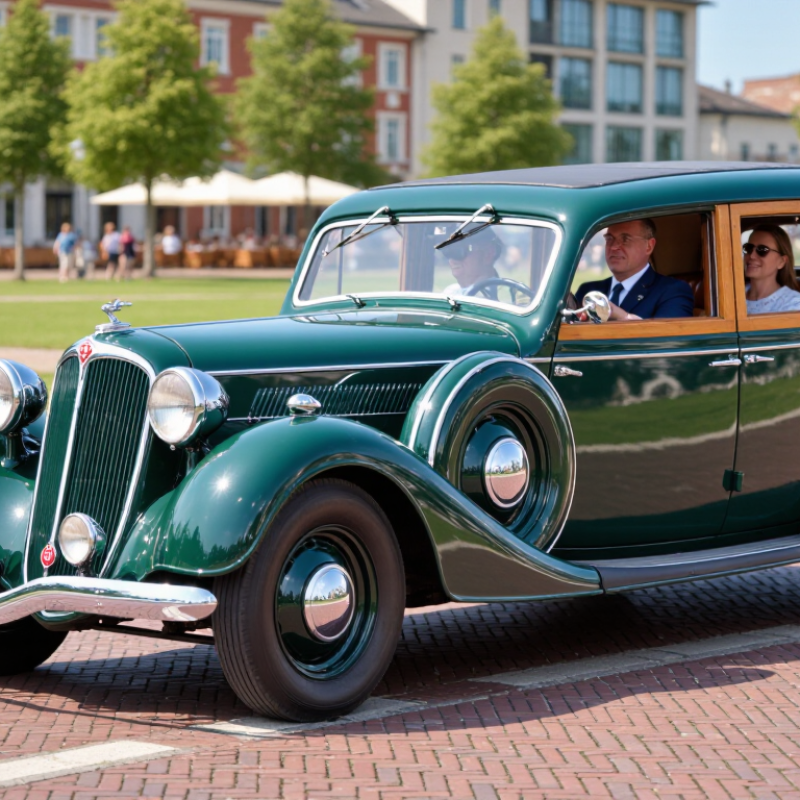
What Defines a Vintage Tourist Car for Business Use?
A vintage tourist car for business use is an older passenger vehicle chosen to make the journey part of the experience. It might carry visitors through a historic district, vineyard, or scenic route. Picture polished metal, cushioned seats, and a clear view from the back. Vintage has no single universal business definition; age thresholds vary by market and insurer. For operators, condition and suitability matter more than appearance alone. Reliable brakes, secure seating, weather protection, and accessible entry help make each trip comfortable. The car also needs careful maintenance. Charm cannot replace a service plan.
Demand for travel experiences provides useful context, but it does not guarantee bookings. UN Tourism reported 1.4 billion international tourist arrivals in 2024, about 99% of 2019 levels. SEMA’s 2024 market report valued the U.S. specialty-equipment market at $52.3 billion in 2023. That figure covers a broader automotive sector, not vintage tourist cars specifically. Treat it as context, not a sales forecast. A well-chosen vehicle may help a tour stand out, yet fuel use, repair costs, and seasonal demand can quickly change the numbers. It is not always elegant.
Tips: Match the car to your route before buying. Test entry, seating comfort, and braking on a realistic trip. Keep a maintenance log, and budget for repairs before the first booking.
