

Go to Main Content Go to Footer

Why Choose a Digital Air Compressor for Your Business?

A Digital Air Compressor can do more than produce compressed air. With variable-speed control, pressure sensors, and connected monitoring, it can adjust output as demand changes across a shift. That matters when one production line pauses while another keeps running. The U.S. Department of Energy’s Improving Compressed Air System Performance sourcebook notes that compressed air can account for about 10% of electricity use in industrial facilities. Even a modest reduction in wasted air may therefore affect operating costs.

The promise is practical, not automatic. A digital controller cannot fix an oversized system, leaking hose connections, or poorly set pressure. Compressed-air auditor Ron Marshall has emphasized the importance of measuring system performance, not judging a compressor by its rated efficiency alone. A useful paraphrase of that guidance is: “Measure the whole system, not just the machine.” Buyers should compare verified performance data, expected air demand, maintenance needs, and the cost of monitoring equipment. ENERGY STAR’s industrial energy guidance also treats compressed air as a system-level efficiency opportunity, rather than a simple equipment swap.

For business leaders, the real question is whether digital control matches the plant’s demand pattern. A workshop with steady, predictable use may see less benefit than a facility with frequent load swings. Check the data first. Then compare expected savings against installation and service costs. Digital tools can reveal pressure drops and unusual demand, but readings still need human review. Sensors help; they do not make every decision. A careful assessment can show when a Digital Air Compressor is a sound investment—and when it is not.
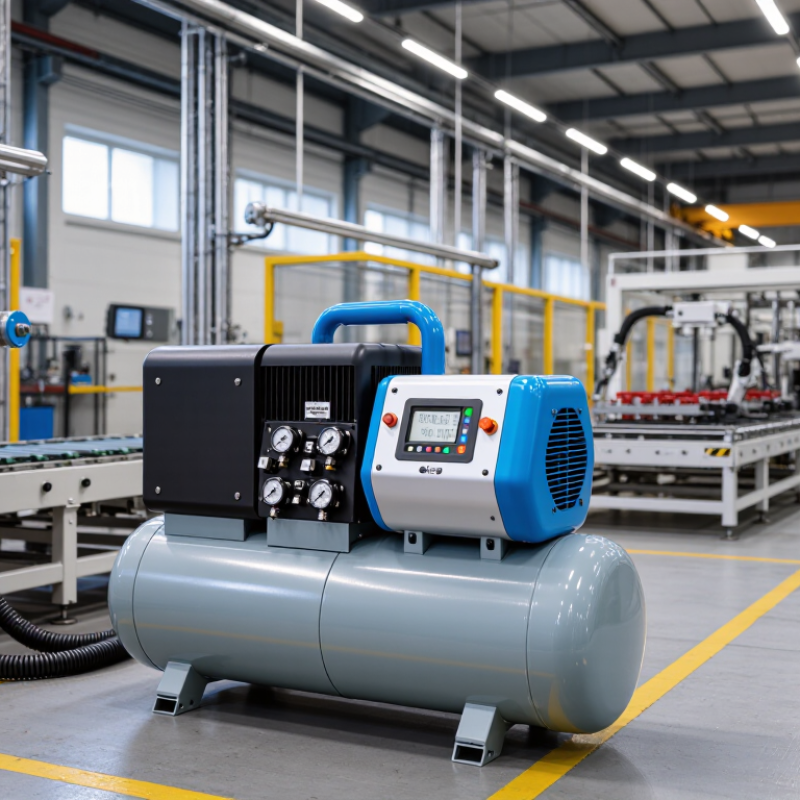
Why Choose a Digital Air Compressor for Your Business?

What Defines a Digital Air Compressor

A digital air compressor uses electronic controls to monitor and manage compressed-air production. The term usually describes its control system, not a different compression method.

Sensors can track pressure, temperature, and operating status. A controller compares readings with configured limits and adjusts operation or signals an alarm. The display may show pressure in real time, operating hours, and fault codes.

Small details matter. A digital screen alone does not guarantee accurate readings or lower energy use.

In a workshop, an operator might set a target pressure and check whether the system holds it during a busy shift. Stored run data can help reveal frequent starts or unexpected pressure drops. Some systems also support remote monitoring, though features vary.

It is easy to overvalue a polished display; the sensor and its calibration matter more. Filters clog. A digital control cannot fix a blocked intake or an undersized air line.

Check that the compressor’s pressure range, capacity, and maintenance alerts fit the tools and workload it will serve. Even useful readings need context: a brief pressure dip during tool use may be normal, while a repeated drop deserves investigation.

How Digital Controls Regulate Compressed Air

Why Choose a Digital Air Compressor for Your Business?

Digital controls regulate compressed air by tracking system pressure through sensors and adjusting compressor output. When demand rises, the controller can increase motor speed or bring another compressor online. When demand falls, it can reduce output instead of producing more air than the system needs.

The difference shows up during ordinary work. A packaging line may start several pneumatic tools at once, causing a brief pressure dip. A digital controller detects the change and responds to keep pressure within a selected range. It can also record pressure, operating hours, and alarms, helping maintenance staff spot unusual patterns.

Small changes matter.

A control screen is useful, but it is not a substitute for good setup. If the pressure sensor is poorly placed, or the target pressure is set too high, the compressor may still waste energy. Regular checks of filters, leaks, and sensor readings help keep the system reliable. In practice, operators should compare screen readings with pressure measured near the equipment. That extra check takes time. It can also reveal that the controller is reacting correctly while the air network itself needs attention.

Operational Benefits for Businesses

A digital air compressor can make daily plant work easier to manage, especially where air demand changes across shifts. Its controller displays pressure, temperature, run hours, and alarms in one place. Operators can spot a pressure drop before tools slow or a packaging line stalls.

That matters daily.

Trend data helps maintenance teams compare operating patterns and schedule filter or separator checks around actual use, rather than relying only on a calendar. These records can also help supervisors explain downtime and plan service windows.

Some systems adjust output to match demand, reducing unloaded running when production pauses. The benefit depends on correct sizing, sound pipework, and consistent settings. A small leak can quietly erase expected savings.

Less guesswork.

Remote alerts may help staff respond sooner, but they do not replace a walk-around inspection. Listen for unusual vibration, check condensate handling, and verify readings against a calibrated gauge when needed. Digital screens can create false confidence if sensors drift or alarms are ignored. During a busy shift, someone may still record a reading incorrectly. That is a reason to keep procedures simple, train operators, and review the data rather than treating automation as a substitute for judgment.

Key Factors in Choosing a Digital Air Compressor

Choosing a digital air compressor starts with the work it must support. List the tools and machines that may run at the same time, then check their required airflow and pressure. A compressor that meets pressure but lacks sufficient airflow can leave tools sluggish. Peak demand matters, but so does the typical workload.

Look beyond the headline capacity. Compare the compressor’s duty cycle with your operating hours, and consider whether demand changes during a shift. Digital controls can help match output to changing needs, but they do not fix an incorrectly sized system. Check control settings, display readability, alarm functions, and whether staff can understand the interface without lengthy training. Simple matters.

The workspace deserves attention too. Measure available floor space and check ventilation, ambient temperature, and noise limits. Ask about filtration, condensate handling, service intervals, and access to replacement parts. These details affect daily upkeep. A specification sheet may not show how a unit behaves during a busy production day, so request operating data that reflects your real workload. If possible, compare energy use across typical demand levels. No choice is perfect; estimates often need revisiting after actual use.

Industries and Applications That Benefit from Digital Compression

Why Choose a Digital Air Compressor for Your Business?

Industries and Applications That Benefit from Digital Compression

Digital air compressors can help businesses where compressed-air demand rises and falls during the day. Food-packaging lines, for example, may need steady pressure for pneumatic actuators and packaging equipment. Air quality still needs careful control, especially where air could contact products. Demand rarely stays steady. Digital monitoring can reveal pressure changes and operating patterns, helping maintenance teams spot issues before production is disrupted.

Automotive workshops and manufacturing plants use compressed air for tools, assembly equipment, and material handling. Textile mills may need consistent airflow across multiple machines, while laboratories can require tightly controlled pressure for specific equipment. A digital system can adjust output to changing demand and provide useful operating data. That detail matters. But it is not an automatic energy-saving fix. A poorly sized compressor, leaking pipework, or unsuitable air treatment can undermine performance. Not every plant does. Check actual demand, required pressure, air quality, and duty cycle before choosing a system. The audit may challenge assumptions about what the facility really needs.

Why Choose a Digital Air Compressor for Your Business?

Representative compressed-air pressure setpoints across industries and applications

Digital compressors can adjust output to match changing demand, helping provide consistent pressure in applications such as manufacturing, packaging, and automotive production. Values shown are illustrative operating setpoints, not industry averages; actual requirements depend on equipment and system design.

Logo Access 360