


Why Choose an Electric Trike for Commuting?
Choosing an Electric Trike For Commuting can change how a daily journey feels. Instead of balancing on two narrow wheels, riders gain a stable platform for groceries, work equipment, or a small child. A typical morning might include a quiet 8-kilometre ride, a coffee stop, and enough battery capacity for the return trip. That convenience matters when traffic feels stressful or parking costs keep rising.
This guide examines practical reasons to consider an electric trike, including stability, cargo capacity, motor assistance, comfort, and operating costs. It also considers limitations. Trikes can feel wider on crowded paths, heavier when lifted, and less agile around sharp corners. Battery range may drop in cold weather, strong wind, or hilly areas. Small details matter.
Real-world decisions should combine rider experience with dependable evidence. Manufacturer specifications can clarify motor power, payload limits, charging times, and battery warranties. Local cycling guidance can also help riders choose suitable routes and understand where electric cycles are permitted. Independent reviews may reveal issues that product pages overlook, such as awkward controls or difficult assembly.
It is not a perfect answer.
A thoughtful commuter should test the turning radius, reach the brakes comfortably, and check whether the trike fits inside a home or workplace. This article avoids presenting electric trikes as effortless replacements for every vehicle. Instead, it explores where they work well, where they may disappoint, and how careful planning can make everyday travel safer, cleaner, and more practical.
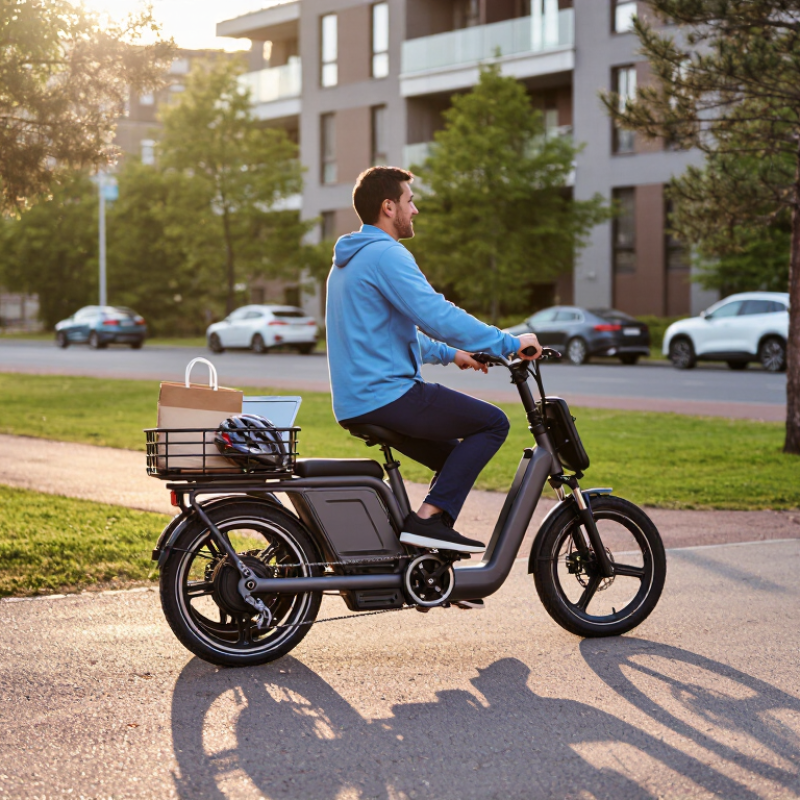
What an Electric Trike Is and How It Works
An electric trike is a three-wheeled cycle with a rechargeable battery and electric motor.
Unlike a standard bicycle, it offers a broader, more stable platform for daily travel. Its frame supports a seat, pedals, cargo area, and two rear wheels or two front wheels. The motor receives power from a controller, which manages speed and battery use.
A pedal-assist sensor detects pressure on the pedals and adds measured support. Some models also include a throttle for gentle starts, where local regulations permit it. The battery usually sits low on the frame, improving balance. It needs regular charging.
For commuting, the motor helps riders climb hills, carry groceries, and start smoothly at traffic lights. A short test ride reveals important details.
The trike feels steady when moving, but tight turns require slower handling. It is also wider and heavier than a bicycle. That can make narrow paths, racks, and crowded storage areas inconvenient. Real-world range depends on rider weight, hills, temperature, tire pressure, and assistance level.
Rain can reduce comfort, while loose cargo may affect stability. I would not trust a display range completely; measuring one familiar route gives better evidence. Small habits matter: check the brakes, charge before departure, and keep the tires properly inflated. Mistakes happen. Careful setup reduces them.
