


Why Choose Pallet Rack for Warehouse Storage?
A Pallet Rack system can turn a crowded warehouse into a clearer, more usable space. Think of the daily details: a forklift needs room to turn, workers need visible labels, and heavy pallets need suitable support. The right layout can use vertical space while keeping stored goods accessible. The wrong one can create awkward routes and wasted capacity.
Warehouse consultant Ken Ackerman is a recognized voice in warehouse operations. A useful editorial paraphrase of his practical approach is: “Storage works best when the layout serves the operation.” This is a paraphrase, not a verified verbatim quotation. The principle still matters: rack selection should reflect actual pallet sizes, handling equipment, inventory movement, and planned growth. Measure before choosing. Check load ratings.
Reliable planning also considers beam levels, aisle width, floor conditions, and protection from everyday impacts. These details may seem small beside a tall rack frame. They shape how safely and efficiently the space works. A layout that looks impressive on paper may feel cramped once forklifts and people share the aisles. That is worth reconsidering. Regular inspections and clear loading practices help keep the system aligned with its intended use. A Pallet Rack is not a one-time purchase; it is part of an operating environment that changes. The best choice is practical, well-matched, and reviewed as needs evolve.
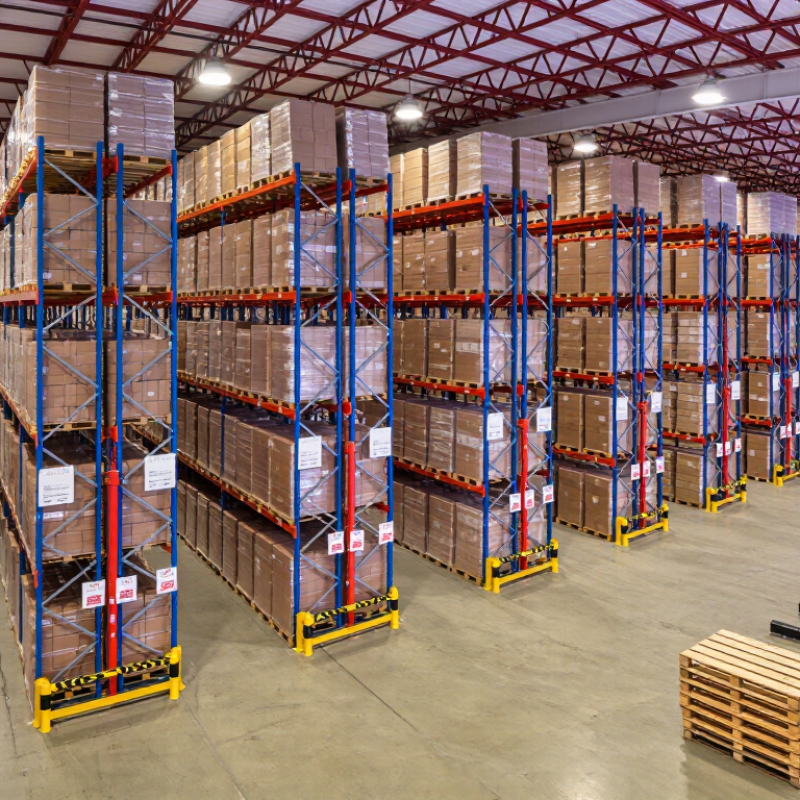
What Is Pallet Racking and How Does It Work?
Pallet racking is a steel storage structure that holds goods on pallets above the floor. Upright frames carry the load, while horizontal beams support each pallet level. A forklift places pallets into the bays and removes them when orders are picked. In a selective layout, each pallet is directly accessible, which makes stock rotation and item retrieval straightforward. Aisles need enough clearance for the equipment and the loads being handled. The details matter.
Rack design should reflect pallet dimensions, load weight, ceiling height, and forklift type. Workers should follow posted capacity limits and report damaged uprights or beams. A small bend can be easy to miss. It still deserves attention. The MHI 2024 Annual Industry Report found that 55% of surveyed supply-chain professionals planned to increase technology investment. This is not a pallet-rack adoption figure, but it shows why storage systems are increasingly considered alongside wider warehouse operations. Before installation, measure actual pallets and review traffic patterns; plans on paper can miss awkward turns or changing inventory.
| Rack System | How It Works | Pallet Access | Typical Stock Rotation | Main Storage Advantage | Key Consideration |
|---|---|---|---|---|---|
| Selective pallet rack | Beams support pallet loads in bays, with aisles allowing forklifts to reach each storage position. | Direct access to each pallet; typically one pallet deep. | Supports flexible picking and rotation because each pallet is individually accessible. | Good selectivity for warehouses holding many product types or needing frequent pallet access. | Requires aisles between rack rows, so storage density is generally lower than in compact systems. |
| Drive-in rack | A forklift enters a storage lane and places pallets on rails, building loads from the back toward the entrance. | Multiple pallets deep within each lane; access to pallets inside a lane is restricted by the pallets in front. | Typically last in, first out (LIFO). | Uses fewer aisles and can increase storage density for larger quantities of similar products. | Forklift entry into lanes requires careful operation; best suited to products that can be stored in lane-based batches. |
| Drive-through rack | A forklift can enter a lane from either end to load and retrieve pallets. | Multiple pallets deep, with access from both ends of the lane. | Can support first in, first out (FIFO) when loading and retrieval are managed from opposite ends. | Provides compact storage while allowing product movement through a lane. | Requires access aisles at both ends, and lane planning must match the warehouse’s handling process. |
| Push-back rack | Each new pallet pushes the pallets already in the lane farther back on nested carts or inclined rails. | Multiple pallets deep; pallets are loaded and retrieved from the same aisle. | Typically LIFO within each lane. | Combines relatively high density with access from a single aisle face. | Lane depth, pallet condition, and load compatibility need to suit the system design. |
| Pallet flow rack | Pallets move by gravity along roller tracks from the loading side to the retrieval side. | Multiple pallets deep, with separate loading and picking faces. | FIFO: the first pallet loaded is generally the first pallet available for retrieval. | Supports orderly stock rotation and can reduce travel between replenishment and picking areas. | Requires compatible pallets, regular equipment inspection, and careful control of lane loading. |
| Mobile pallet rack | Rack rows sit on powered or manually operated mobile bases that move to open a working aisle where needed. | Direct access to the selected row through a temporarily opened aisle. | Depends on the picking and inventory-control process. | Reduces the number of permanently open aisles compared with fixed selective layouts. | Access requires aisle movement, so the operating process and safety controls must account for moving rows. |
What pallet racking is: A structural storage system that holds palletized goods in organized levels above the floor. Forklifts or other material-handling equipment place and retrieve pallets according to the rack layout. Rack selection, dimensions, and load limits should be based on pallet sizes, inventory needs, equipment, building conditions, and an engineered design.
