Top 10 Best Wheelchair Vans for Sale
Choosing among the Top 10 Best Wheelchair Vans for Sale is about more than comparing prices. The right vehicle should suit the traveler, caregiver, and trips they actually make. Will it fit a family’s garage? Can a passenger enter comfortably while seated in a wheelchair? Small details matter: ramp angle, doorway height, floor space, and where bags can be secured. Test the setup in person when possible. A specification sheet cannot show how a ramp feels on a rainy morning.
Ralph Braun, founder of BraunAbility and an adaptive-mobility pioneer, built his work around improving independence for people with disabilities. A fair paraphrase of that guiding idea is: “Accessible transportation should make everyday choices easier.” This guide compares wheelchair vans by practical features, including entry style, seating, usable space, and available conversions. It also considers the trade-offs between new and used vehicles, since lower purchase prices may come with different equipment, condition, or warranty coverage. No single van suits everyone. Measure your wheelchair, ask about securement, and confirm that the controls match the driver’s needs. Then compare the real costs, not just the advertised price. One overlooked fit can change the whole trip.
What Defines a Wheelchair-Accessible Van and Who Needs One?
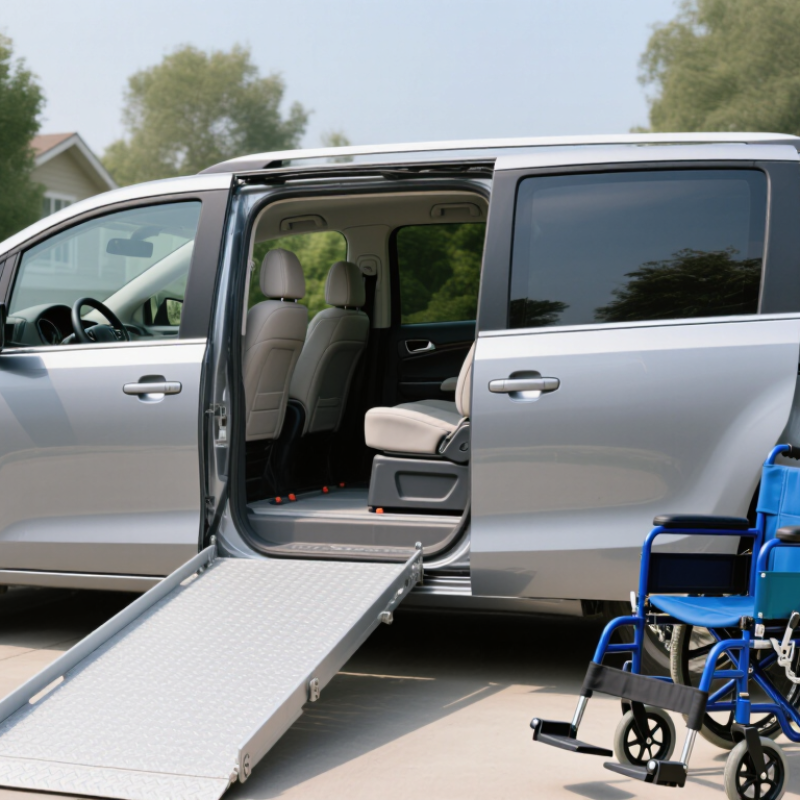
A wheelchair-accessible van is modified to let a person enter, travel, and exit with a wheelchair or other mobility device. Depending on the vehicle and the person’s needs, it may have a ramp or lift, a lowered floor, extra interior clearance, and wheelchair securement points. Proper restraints help keep both the chair and passenger stable during travel. Small details matter: ramp angle, doorway width, and headroom can change how comfortable entry feels. A specification sheet cannot tell the whole story.
These vans can help wheelchair users who prefer to remain seated in their chair while traveling, as well as people who transfer into a vehicle seat but need easier access. Family members and caregivers may also need space to assist with boarding. The need is significant: the CDC’s 2018 Behavioral Risk Factor Surveillance System analysis estimated that 13.7% of U.S. adults had a mobility disability. That figure does not mean every person needs a van. Needs differ, and they can change over time. Fit is personal. Before choosing a vehicle, consider who will ride, how often, and whether a caregiver must sit beside the wheelchair. A ramp can look manageable in a listing but feel steep in a tight driveway. Testing the actual entry and seating arrangement is worth the extra effort.
Top 10 Best Wheelchair Vans for Sale - What Defines a Wheelchair-Accessible Van and Who Needs One?
| No. | Van Type or Configuration | Access and Seating | Best Suited For | Main Advantage | What to Check Before Buying |
|---|---|---|---|---|---|
| 1 | Side-entry van with a power ramp | A powered ramp provides side-door access to a wheelchair position; seating arrangements depend on the conversion. | People who want side access and may benefit from a ramp that deploys at the push of a control. | Convenient ramp operation and flexible passenger seating in many layouts. | Confirm ramp operation, door clearance, wheelchair tie-downs, and whether the vehicle can park with enough side clearance. |
| 2 | Side-entry van with a manual ramp | A manually deployed ramp provides access through a side door to the cabin. | Buyers looking for a straightforward side-entry layout and comfortable managing or assisting with ramp deployment. | Does not rely on a powered ramp mechanism. | Check the effort needed to deploy and stow the ramp, ramp condition, and access space beside the vehicle. |
| 3 | Rear-entry van with a power ramp | A powered ramp at the rear allows a wheelchair user to enter from behind the vehicle. | Families or caregivers who often use standard parking spaces with limited room beside the van. | Rear access can be useful when side-to-side parking space is restricted. | Allow sufficient space behind the van for ramp deployment and verify rear-door and ramp operation. |
| 4 | Rear-entry van with a manual ramp | A manually operated rear ramp provides a wheelchair-accessible route into the vehicle. | Buyers who prefer a simpler ramp setup and can accommodate rear loading. | Can suit locations where access behind the vehicle is easier than access at the side. | Check ramp handling, rear loading space, and whether the parking locations used regularly allow safe access. |
| 5 | Lowered-floor minivan conversion | The floor is lowered in the accessible area to create additional interior clearance for a wheelchair and ramp entry. | Individuals or families seeking a passenger van with a lower entry path and a wheelchair position inside the cabin. | Designed to provide more wheelchair headroom and interior access than an unmodified passenger van. | Compare usable interior height, ramp slope, wheelchair position, and remaining passenger seating. |
| 6 | Full-size van with a raised roof | A raised roof can provide additional standing or wheelchair headroom; ramp or lift access depends on the conversion. | Households needing a larger cabin, more passenger capacity, or room for mobility equipment. | Offers a larger interior space than many minivan-based options. | Check total vehicle height, garage clearance, entry equipment, and the exact accessible seating layout. |
| 7 | Wheelchair-accessible van with a transfer seat | A seat moves or swivels to help a person transfer between a wheelchair and a vehicle seat; it is not the same as riding in a wheelchair. | People who can transfer to a vehicle seat but need assistance or a more manageable transfer process. | May allow the passenger to travel in a standard vehicle seat. | Confirm transfer compatibility, controls, available assistance, and whether the wheelchair can be safely stored. |
| 8 | Drive-from-wheelchair configuration | Specialized controls and an accessible driving position are arranged so a driver can remain in a wheelchair. | Qualified drivers who need to drive without transferring out of their wheelchair. | Can support independent driving for people whose needs and vehicle setup are compatible. | Requires an individual assessment, appropriate driver training, and verification that the controls fit the driver’s needs. |
| 9 | Multi-wheelchair passenger configuration | The interior is arranged to secure more than one wheelchair, subject to the vehicle’s layout and rated capacity. | Care organizations, larger households, or groups transporting multiple wheelchair users. | Can accommodate more than one wheelchair user in a single vehicle. | Verify the number and placement of wheelchair positions, securement systems, passenger capacity, and usable aisle space. |
| 10 | Used wheelchair-accessible van | May have a ramp, lift, lowered floor, transfer seat, or other accessibility features depending on its conversion. | Buyers seeking a pre-owned vehicle that matches their access, seating, and budget requirements. | Offers a wider range of ages, layouts, and price points to compare. | Inspect the conversion and vehicle history; test all access equipment and securement systems, and check maintenance records. |
What defines an accessible van? It is a vehicle adapted to provide a usable access route and appropriate space and safety equipment for a wheelchair user. Ramp or lift type, interior clearance, wheelchair securement, seating, and driving controls vary by vehicle and conversion. Have the specific vehicle and its equipment assessed for the intended user before purchase.
Related Posts
-

Revolutionizing Mobility with Wheelchair Vans Transforming Lives and Accessibility with Data Driven Insights
-

Choosing the Right Mobility Vans: A Comprehensive Guide for First-Time Buyers
-

Top 10 Mobility Vans for 2025: Features, Pricing, and Best Options
-
China Top 10 Wheelchair Accessible Vehicle Manufacturers
-
Top 10 Wheelchair Van Manufacturers in China at the 137th Canton Fair
-

Essential Insights for Sourcing the Best Handicap Vans Globally