China Top 10 Wheelchair Accessible Vehicle Manufacturers
China has become an important manufacturing base for wheelchair accessible vehicles, serving families, care providers, transport operators, and mobility specialists worldwide. This guide introduces ten Chinese manufacturers with relevant experience in designing, converting, or supplying wheelchair accessible vehicles. It considers practical factors, including vehicle compatibility, ramp or lift design, wheelchair restraint systems, interior headroom, door width, floor height, and after-sales support.
The selection is not based on advertising claims alone. It emphasizes documented manufacturing capability, quality-control procedures, customization experience, export readiness, and attention to passenger safety. Product details should be checked carefully, because a low-floor van may suit one wheelchair user but fail another’s turning-radius or transfer needs. Small details matter. A ramp angle, anchor position, or door opening can change daily usability.
Information in this article should be treated as a structured starting point, not a final purchasing decision. Manufacturer portfolios, certifications, production standards, and distributor networks can change over time. Some companies may serve hospitals effectively, while others focus on private conversions or accessible minibuses. That difference is easy to overlook. Buyers should request current technical specifications, inspection records, warranty terms, maintenance guidance, and user references before ordering. Regional vehicle regulations and accessibility requirements also require independent verification. This approach aims to offer a balanced, experience-informed overview while recognizing that no single ranking can represent every manufacturer’s strengths. Perhaps that limitation deserves more attention. A reliable vehicle is not merely comfortable; it must remain secure, serviceable, and practical throughout everyday journeys.
What Defines a Wheelchair Accessible Vehicle Manufacturer in China
A wheelchair accessible vehicle manufacturer in China is more than a company that installs a ramp. It should understand real mobility challenges, from narrow parking spaces to uneven loading areas. Experienced engineers measure entry angles, floor height, turning space, and passenger restraint positions. These details affect safety and daily comfort.
Reliable manufacturers usually control key production stages in their own facilities. They test ramps, lifts, anchor points, and lowered floors repeatedly. They also use documented quality checks for welding, corrosion protection, electrical systems, and interior fittings.
Technical drawings and inspection records matter. So does compliance with the destination market’s vehicle and accessibility requirements. A professional manufacturer should explain these requirements clearly, not hide behind vague promises.
Practical experience must continue after delivery.
Manufacturers should provide installation guidance, spare-parts support, maintenance instructions, and training for local technicians. They need to adapt designs for vans, minibuses, family vehicles, and commercial transport. User feedback can reveal problems that factory testing misses. A ramp may work well indoors but feel unstable on a sloped street. That deserves correction.
No manufacturer gets every decision right. Some designs may prioritize appearance over easy cleaning or repair. Buyers should ask for test evidence, material specifications, production photos, and sample inspection reports. Transparent answers build trust. A dependable manufacturer listens, measures, tests, and improves before treating a vehicle as finished.
How China’s Top 10 Manufacturers Develop Accessible Vehicle Solutions
China Top 10 Wheelchair Accessible Vehicle Manufacturers
How China’s Top 10 Manufacturers Develop Accessible Vehicle Solutions
China’s top 10 wheelchair accessible vehicle manufacturers develop solutions around real journeys, not showroom appearance. Their engineers study boarding angles, curb heights, turning spaces, and caregiver routines. A low-floor layout can reduce lifting effort. Wider doors improve entry, but they also affect body strength and side-impact design. Experienced teams combine vehicle engineering with occupational therapy advice and feedback from wheelchair users. Short interviews often reveal problems that measurements miss.
Development usually begins with a modular platform. Manufacturers may adapt ramps, lifts, lowered floors, hand controls, and securement systems for different vehicle sizes. Each component needs precise anchoring and clear operating instructions. Prototypes undergo repeated loading tests, road trials, vibration checks, and emergency-stop assessments. Engineers also inspect battery placement in electric vehicles, because accessibility equipment can change weight distribution. Certification requirements vary by market, so reliable manufacturers maintain traceable test records and provide installation documentation. That evidence matters to fleet operators, families, and public transport buyers.
After delivery, stronger manufacturers keep collecting service data. They examine ramp wear, restraint failures, corrosion, and repair times. This turns ownership experience into the next design update. However, the industry still has gaps. Some layouts look accessible but leave too little knee room. Others offer advanced controls that caregivers find confusing. No design is perfect. Honest manufacturers admit these weaknesses, invite independent review, and revise instructions or hardware. Their progress depends on practical testing, transparent communication, and respect for users who depend on every safe movement.
Key Vehicle Types and Accessibility Features Offered by Chinese Manufacturers
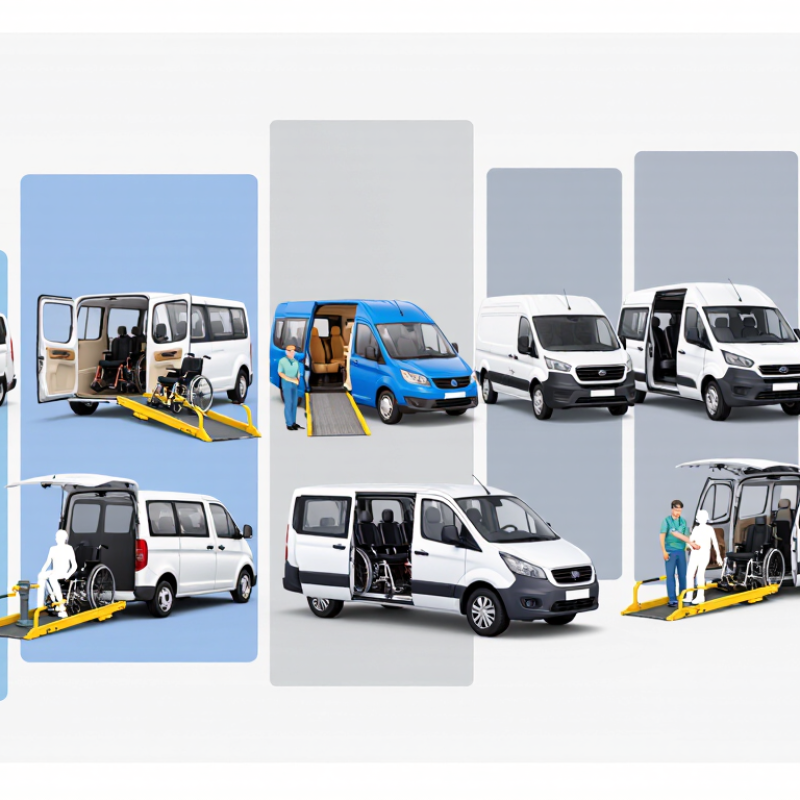
China’s top wheelchair accessible vehicle manufacturers produce several practical formats. Full-size vans often use side-entry ramps and lowered floors. MPVs may offer rear lifts, folding seats, and wider sliding doors. Accessible minibuses support several wheelchair users, while converted taxis focus on compact urban travel. Some manufacturers also adapt electric vehicles for quieter community transport.
Accessibility details deserve close inspection. A powered ramp should deploy smoothly on uneven pavement. Wheelchair locks must hold the chair firmly during braking. Shoulder belts, non-slip flooring, grab handles, and contrasting controls improve everyday safety. Hand controls and transfer seats can help passengers with limited leg movement. Kneeling suspension may reduce the step height, but it can slow boarding. A low floor is not always a complete solution. Buyers should review load limits, turning space, battery range, and maintenance access. Independent testing and local compliance checks add useful reliability.
Tips
Measure the wheelchair first. Include its occupied width and height. Test the ramp with a caregiver present. Check whether the lift remains usable after repeated cycles. Ask for written information about restraint ratings, battery performance, warranty coverage, and replacement parts. A showroom demonstration can hide problems. Try boarding from a sloped curb, where real difficulties often appear.
China Wheelchair-Accessible Vehicle Manufacturers: Key Vehicle Types and Accessibility Features
Common accessibility-feature compatibility across four generic vehicle classes
This industry taxonomy covers MPVs, vans, minibuses and accessible taxis. Values show how many of these four vehicle classes commonly use each feature; they are configuration counts rather than manufacturer or sales data. Ramps, lowered floors and wheelchair restraint systems are the most broadly applicable solutions, while powered lifts and kneeling systems are more typical of larger vehicles.
Standards, Safety Testing, and Customization in Accessible Vehicle Production
China’s top wheelchair accessible vehicle manufacturers should treat standards as engineering requirements, not marketing phrases. A dependable production line checks ramp strength, door clearance, wheelchair restraint points, and emergency access. Each vehicle needs traceable records, including material batches, welding inspections, and final adjustment data.
Safety testing should reflect daily use. Technicians can perform ramp cycle tests, anchorage pull tests, braking checks, and controlled impact evaluations. Electrical systems require careful isolation near lifts and lowered floors. Regional accessibility rules may differ, so manufacturers should verify conformity for each export market. A polished brochure is not proof. Independent inspection still matters.
Customization begins with the passenger, wheelchair dimensions, transfer needs, and vehicle floor height. Engineers may adjust ramp angles, handrail positions, seat layouts, and restraint geometry. Weight distribution must remain stable after conversion. Small errors can create real discomfort. That deserves another review.
Tips: Request test reports, load limits, maintenance intervals, and clear warranty terms. Inspect the ramp under load, not only when folded. Ask who approves each modification. A short road test can reveal vibration, poor visibility, or difficult control placement.
How to Compare China’s Top 10 Wheelchair Accessible Vehicle Manufacturers
Comparing China’s top 10 wheelchair accessible vehicle manufacturers requires more than checking prices or export rankings. The WHO Global Report on Health Equity for Persons with Disabilities estimates that 1.3 billion people experience significant disability worldwide. Demand is therefore practical, not cosmetic. Buyers should examine entry height, ramp angle, interior turning space, and wheelchair restraint design. Measure the real thing.
A reliable comparison should include independent crash-test evidence and compliance with recognized standards, such as ISO 10542 for wheelchair tie-down systems. Ask for test dates, vehicle configurations, and unedited technical documents.
The IEA’s Global EV Outlook 2024 reported more than 17 million electric cars sold worldwide in 2024. This growth makes electric accessible vehicles worth reviewing, but battery range should be tested with the lift operating and a full passenger load. Laboratory figures can mislead.
Service support often separates a dependable manufacturer from a temporary supplier. Compare spare-part lead times, technician training, warranty exclusions, and repair coverage outside major Chinese cities. Request a demonstration using a real wheelchair, not only a showroom model. I would not treat a polished brochure as proof of durability. Price still matters, but a cheaper ramp may create higher maintenance costs. Rankings can help create a shortlist; documented performance should decide it.