Go to Main Content Go to Footer

What Are the Top Mobility Vans for Global Buyers in 2026?

Choosing the top mobility vans for global buyers in 2026 requires more than comparing prices, battery ranges, or attractive interiors. A reliable van must support safe, practical travel in real conditions. That may mean a steep apartment entrance in Madrid, heavy rain in Manila, or a long rural road in Australia. Mobility vans should offer dependable wheelchair access, sensible interior clearance, secure restraint systems, and controls that users can operate confidently. Comfort matters, but so does the daily reality of parking, charging, servicing, and loading equipment.

This guide examines leading models through an ownership-focused lens. It considers ramp design, lift performance, cabin space, turning access, powertrain choices, warranty support, and replacement-part availability. Local regulations and conversion standards can differ widely, so no single van suits every market. Buyers should confirm certification requirements and consult qualified mobility-conversion professionals before placing an order. Independent inspections are also valuable, especially when importing a vehicle or buying a converted model remotely.

Some comparisons remain imperfect. Manufacturer specifications may not reflect a full passenger load, uneven roads, or repeated ramp use. Real-world service quality can also vary between dealers. That matters. A polished brochure cannot repair a failed lift during a family trip. The strongest choices balance engineering, accessibility, user experience, and long-term support. This overview aims to help global buyers ask better questions, compare evidence carefully, and select a mobility van that fits their bodies, routes, budgets, and local support network.

What Are the Top Mobility Vans for Global Buyers in 2026?

What Defines a Top Mobility Van for Global Buyers in 2026?

A top mobility van in 2026 starts with access, not decoration.
The World Health Organization estimates that 1.3 billion people live with significant disability worldwide. That scale demands wide doors, low steps, stable ramps, and generous interior turning space. Buyers should test wheelchair loading in real conditions. Check ramp angle, tie-down positions, seat transfer height, and door clearance. Small details matter.

Safety also defines quality.
The WHO’s Global Status Report on Road Safety 2023 recorded about 1.19 million annual road deaths worldwide. A serious mobility van therefore needs strong crash protection, electronic stability control, clear driver visibility, and reliable restraint systems. UNECE vehicle regulations provide useful reference points, but requirements differ across markets. Buyers should verify local approval and conversion standards before purchase.

Powertrain choice is becoming more complicated.
The IEA’s Global EV Outlook 2024 reports continuing growth in electric light commercial vehicles, while charging access remains uneven between regions. Range must be tested in heat, cold, traffic, and with a full passenger load. A showroom figure can mislead. Service coverage, replacement parts, battery warranties, and software support may matter more than peak range. I would also question overly complex features. A van that local technicians cannot repair quickly may create greater hardship than an older, simpler vehicle. Top mobility vans combine practical accessibility, proven safety, realistic operating costs, and dependable support after delivery.

Key Features to Compare in Accessible Mobility Vans

What Are the Top Mobility Vans for Global Buyers in 2026?

Key Features to Compare in Accessible Mobility Vans

The World Health Organization and UNICEF reported in 2022 that 2.5 billion people need assistive products. That figure may exceed 3.5 billion by 2050. For mobility-van buyers, access begins with the doorway, not the brochure. Measure ramp width, loading angle, interior height, and turning space with the actual wheelchair. A low step helps. It does not solve every transfer problem.

Secure restraint systems deserve careful inspection. Look for clearly marked wheelchair tie-down points, passenger belts, non-slip flooring, and tested anchorage strength. Crash protection should follow recognized regional requirements, because regulations differ across markets. A powered ramp should work smoothly in rain, cold weather, and uneven parking areas. Manual backup operation matters when electronics fail.

Range and maintenance also shape daily reliability. The International Energy Agency reported that global electric-car sales exceeded 17 million in 2024, but accessible electric vans still require route-specific planning. Battery range can fall with heavy loads, heating, hills, or winter temperatures. I would not treat advertised range as a promise. Check charging access, replacement-part availability, service training, and corrosion protection. A quiet cabin is valuable, yet visibility, ventilation, door clearance, and easy-to-read controls may matter more during a stressful transfer. Small details decide usability.

What Are the Top Mobility Vans for Global Buyers in 2026?

Key dimensional benchmarks to compare when evaluating accessible mobility vans

The chart uses widely applied accessibility design thresholds as practical reference points: a minimum clear door width of approximately 813 mm, a ramp width of approximately 914 mm, and a turning-space diameter of approximately 1,524 mm. Buyers should also verify ramp slope, occupant restraint systems, interior headroom, floor strength, and local certification requirements before purchase.

Leading Mobility Van Types for Wheelchair and Passenger Transport

What Are the Top Mobility Vans for Global Buyers in 2026?

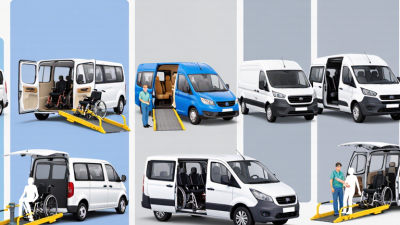
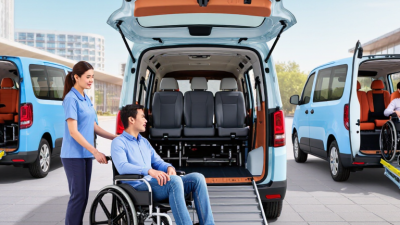
Leading mobility vans now focus on safe wheelchair and passenger transport. Side-entry vans suit families needing easier curbside access. Their wider doors can simplify transfers beside busy streets. Rear-entry vans often provide a straighter ramp path and flexible parking options. They may work well for larger wheelchairs or frequent group travel.

Passenger-focused conversion vans offer supportive seating, grab handles, and practical step access. Wheelchair users need more than open floor space. Check ramp width, incline, headroom, turning clearance, and securement points.

A trained mobility specialist should inspect the vehicle before purchase. Look for documented crash testing and clearly rated restraint systems. Local servicing also matters, especially for buyers operating far from major cities. I have found that small design details affect daily comfort. A low step, quiet ramp, or bright interior can change the whole journey.

Tips: Measure the wheelchair with its user seated. Test the ramp on uneven ground. Confirm that doors open fully in narrow parking spaces. Ask who repairs the lift, ramp, and restraint equipment. Imported vehicles can face parts delays and unfamiliar service procedures. That risk is easy to overlook.

No layout is perfect. A rear-entry design may limit some parking choices, while a side-entry model can reduce curbside flexibility. Buyers should compare real travel habits, not only showroom features.

Best Mobility Van Options by Region, Budget, and Daily Use

Choosing the right mobility van in 2026 depends on region, budget, and daily routine. No single layout works everywhere. European buyers often prefer compact vans for narrow streets and limited parking. North American users may value full-size interiors, longer ramps, and extra storage. In many Asian cities, a smaller turning radius can matter more than maximum cabin space. Hot-climate buyers should inspect air-conditioning performance, ventilation, and heat-resistant ramp materials.

Budget changes the decision quickly. Entry-level conversions may suit occasional wheelchair transport or short urban trips. Mid-range vans usually offer stronger restraint systems, powered ramps, and better seating flexibility. Premium conversions can improve independence with lowered floors, remote controls, and customized transfer equipment. However, expensive equipment is not automatically practical. A complex system may require costly servicing or longer repair visits in remote regions. Check local inspection rules, parts availability, warranty coverage, and technician training before paying a deposit.

Daily use should guide every measurement. A commuter needs easy entry, quiet driving, and dependable ramp operation. A family may need room for luggage, groceries, and a second passenger. Frequent travelers should test seat height, door clearance, turning space, and loading time in person. My practical concern is often overlooked: users may choose a spacious van, then struggle with parking every day. Measure the home driveway and usual destinations. A ten-minute test drive can reveal more than a polished specification sheet.

Global Buying Factors: Safety, Conversion, Service, and Compliance

What Are the Top Mobility Vans for Global Buyers in 2026?

Global Buying Factors: Safety, Conversion, Service, and Compliance

Safety should guide every mobility van purchase. A practical inspection checks wheelchair restraint points, grab rails, door clearance, lighting, and ramp stability. The floor should feel firm under pressure. Loose trim is a warning sign. During a test drive, listen for rattling near the lift or rear anchors. Emergency access matters too, especially when passengers have limited mobility.

Conversion quality affects daily independence. A low step, wide opening, and predictable ramp angle can reduce transfer stress. Buyers should measure the wheelchair, turning space, and storage area before ordering. A conversion may look spacious but feel restrictive in real use. That mistake is easy to make. Controls should remain reachable without blocking the driver’s view. Adjustable seating can help families with different users.

Service support is equally important across borders. Ask about technician training, spare-part availability, response times, and written maintenance records. A remote region may need common components rather than highly specialized systems. Compliance requires careful checking of local vehicle standards, accessibility rules, import documents, and registration requirements. Requirements differ between countries and sometimes between regions. Independent inspection is worth the cost. It can reveal poor anchoring, unclear weight limits, or incomplete paperwork before delivery.

No conversion is perfect, and buyers should record compromises honestly. Safety should never be traded for appearance.

Logo Access 360