What Are the Top Types of Wheelchair Accessible Vans in 2026?
Choosing a wheelchair accessible van in 2026 means matching the vehicle to real routines, not just comparing photographs. A short trip to the clinic may call for different features than a full day of errands, school runs, or travel with several passengers. The right fit depends on wheelchair dimensions, transfer preferences, parking space, and who will drive. Small details matter.
Common options include side-entry and rear-entry minivans, full-size vans, and models equipped with ramps or lifts. Side-entry designs can make curbside access and front-passenger seating easier, while rear-entry layouts may suit driveways with limited side clearance. Full-size vans often offer more cabin room, but they can feel less manageable in tight parking lots. There is no universal winner.
A wheelchair accessible van may be new, converted, or pre-owned, and each route brings different trade-offs. Floor height, ramp angle, headroom, tie-down placement, and door opening width deserve a close look. Ask a qualified mobility-vehicle professional to confirm measurements and explain how equipment is secured. A test drive helps, but it cannot answer every question. Honestly, brochures rarely show how a ramp feels on a wet morning or whether a wheelchair user can reach the controls comfortably.
This guide compares the leading van types and explains who may benefit from each. It also highlights practical questions to ask before buying or arranging a conversion. Needs can change over time. A careful fit today may still require a rethink later.
Wheelchair-Accessible Vans: Core Designs and Access Features
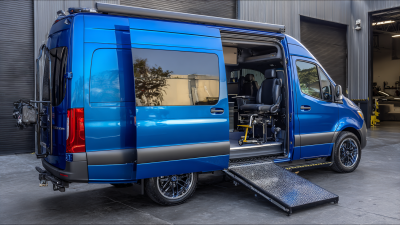
Wheelchair-accessible vans generally use three core designs: side-entry, rear-entry, and full-size conversions. Side-entry layouts often place a ramp beside the sliding door, allowing a wheelchair user to ride near the front passenger area. Rear-entry vans use a ramp at the back and may suit families who need simpler parking arrangements. Full-size conversions can provide more interior space, though that extra room may make tight parking harder.
Key access features include a lowered floor, a non-slip ramp, secure wheelchair tie-downs, and clear headroom. Some vans use powered ramps; others rely on manual ramps with fewer moving parts. The U.S. Department of Transportation’s Bureau of Transportation Statistics reported that about 25.5 million American adults had travel-limiting disabilities in its 2018 report, Travel Patterns of American Adults with Disabilities. That figure underscores why access needs vary widely. A layout that works for one person may not fit another’s chair, transfer routine, or daily route.
Tips: Measure the wheelchair’s width and turning space before choosing a layout. Check ramp angle, door clearance, and tie-down reach in person. Ask for a trial entry and exit. Small details matter. Even a well-equipped van can feel awkward when the ramp meets a steep curb. Also compare usable interior space, not just the listed vehicle dimensions; specifications rarely tell the whole story.
Rear-Entry Ramp Vans: Layouts and Common Uses
Rear-Entry Ramp Vans: Layouts and Common Uses
Rear-entry ramp vans place the ramp at the back, creating a direct path into the cabin. Many layouts position a wheelchair behind the front passenger seats, while other designs allow a second wheelchair or extra companion seating. The best fit depends on chair dimensions, passenger needs, and how often the van carries mobility equipment. Measure carefully.
These vans can work well for families, care providers, and group transport. A rear ramp is useful when side parking space is limited, since passengers can enter from behind the vehicle. The trade-off is practical: loading may be awkward if another vehicle parks close to the rear. Ramp angle, doorway clearance, interior headroom, and securement points all affect everyday comfort. A layout that looks spacious on paper may feel cramped with bags or a caregiver onboard.
Tips: Test entry with the actual wheelchair, not just its measurements. Check that the ramp deploys on your usual parking surface, and confirm there is room to turn and secure the chair. Ask a qualified mobility-vehicle professional to review fit and restraint options. Small details matter. A loose bag can become an obstacle, and that is easy to overlook.
Rear-Entry Ramp Vans in 2026: Layouts and Common Uses
Rear-entry layouts can prioritize passenger seating or make room for more than one wheelchair user. The examples below illustrate common layout trade-offs; seating capacity varies by vehicle and conversion.
A single-wheelchair layout is often suited to individual or family transportation, while a multi-wheelchair layout can better serve group travel and some care or community transport needs. Confirm usable seating and securement positions with the vehicle converter.
Side-Entry Ramp Vans: Seating Options and Parking Needs
What Are the Top Types of Wheelchair Accessible Vans in 2026?
Side-Entry Ramp Vans: Seating Options and Parking Needs
Side-entry ramp vans can let a wheelchair user ride in the front passenger area or among other passengers, depending on the conversion layout. Some designs preserve several seats; others remove or reposition seats to create a clear wheelchair space. Ask for a seating diagram, then check how easily people can enter and exit when the wheelchair is secured. Small details matter. A seat that looks convenient in a brochure may feel cramped beside a folded stroller or a passenger’s knees.
Parking takes planning. The ramp usually needs open space beside the van, so a narrow garage stall or a vehicle parked close to the passenger side can block access. Measure the parking space and ramp deployment area, including room to maneuver on a slope. Also check the van’s height against garage clearance. Needs vary, and I would not assume one layout suits every family. Testing the ramp in a familiar parking spot can reveal awkward turns before purchase.
Lift-Equipped Vans: How Platform Access Works
Lift-equipped vans use a powered platform to bridge the gap between pavement and the vehicle floor. The passenger rolls onto the platform, applies the wheelchair brakes, and travels upward while a trained companion operates the controls. On many conversions, the lift sits beside a sliding door, so the clear opening and interior turning space matter as much as the platform itself. Measure the chair, including footrests, before choosing a van.
✓
The U.S. National Highway Traffic Safety Administration’s Federal Motor Vehicle Safety Standards 403 and 404 cover wheelchair lifts and their installation in vehicles. These standards address safety features such as interlocks, which help prevent the vehicle from moving while the lift is deployed. Check that the lift’s rated capacity exceeds the combined weight of the passenger, wheelchair, and carried items. A few extra pounds can matter.
The need is substantial: CDC data from the 2018 Behavioral Risk Factor Surveillance System estimated that 13.7% of U.S. adults had a mobility disability. For everyday use, watch the platform cycle from ground level to cabin height; listen for unusual noise and look for secure barriers. Small details count. A lift may work smoothly in a showroom yet feel cramped on a sloped driveway. Real-world access deserves a test.
Compact, Full-Size, and Commercial Accessible Vans
Compact, full-size, and commercial vans serve different mobility needs. Compact accessible vans suit narrow streets, small parking spaces, and one wheelchair user. Their lower step-in height can ease transfers, but cabin space may feel tight with a caregiver or luggage. Full-size vans offer more headroom and room for multiple passengers. They can accommodate larger wheelchair layouts, though longer bodies need more turning space. The U.S. Centers for Disease Control and Prevention reports that about 12.2% of U.S. adults have mobility disabilities, underscoring why fit and access matter. A percentage is not a purchase plan.
Commercial accessible vans are built for frequent trips, multiple riders, or shuttle duties. Their durable interiors and flexible seating can support changing passenger needs. Operators should still check payload limits, tie-down positions, ramp capacity, and maintenance requirements. The National Household Travel Survey from the Federal Highway Administration tracks travel patterns and access barriers; its findings can help fleet planners assess how often vehicles are used and for what trips. Actual needs vary by route and passenger.
Tips: Measure the wheelchair, doorway, and parking area before choosing. Test the ramp on a slope. Check that restraints are reachable and secure, and ask a qualified mobility-vehicle specialist to review the layout. Small details matter. A ramp that works in a showroom may feel awkward beside a curb.
What Are the Top Types of Wheelchair Accessible Vans in 2026? — Compact, Full-Size, and Commercial Accessible Vans
Van Type
Typical Configuration
Common Accessibility Features
Best Suited For
Key Advantages
Important Considerations
Compact Accessible Van
Usually based on a minivan-sized vehicle; commonly configured for one wheelchair user plus several seated passengers.
Often includes a lowered floor, a side-entry ramp, wheelchair tie-downs, and a wheelchair-positioning seat area. Ramp and seating layouts vary by conversion.
Individuals and families who need everyday transportation, school or appointment trips, and easier parking in urban or suburban areas.
Smaller exterior footprint; generally easier to park and maneuver than larger vans; suitable for routine personal travel.
Interior space and wheelchair-position options are more limited than in larger vans. Check doorway width, ramp slope, headroom, and available seating against the user’s chair and transfer needs.
Full-Size Accessible Van
Built on a full-size passenger-van platform and commonly adapted for one or more wheelchair positions, depending on the layout.
May feature a lowered floor or raised roof, a side- or rear-entry ramp or lift, wheelchair securement systems, and flexible passenger seating.
Families or organizations needing more cabin room, longer-distance comfort, additional passenger capacity, or room for mobility equipment.
More interior space for maneuvering and seating layouts; can accommodate a wider range of passenger and equipment needs.
Larger dimensions can make parking and tight turns more challenging. Vehicle height, ramp or lift operation, and remaining payload should be checked before purchase.
Commercial Accessible Van
Typically adapted from a passenger or cargo van for scheduled transport, group travel, or service use; seating and wheelchair capacity depend on the conversion.
May include a wheelchair lift or ramp, multiple wheelchair securement positions, passenger seating, grab rails, and accessible entry equipment.
Organizations providing transportation for clients, residents, students, or passengers who require wheelchair access.
Can be configured around operational needs, frequent boarding, and multiple passengers; suitable for fleet or service applications.
Capacity depends on the specific vehicle, conversion, and applicable safety requirements. Operators should verify securement procedures, maintenance needs, accessibility requirements, and permitted passenger count.
Note: Specifications are configuration-dependent. Before selecting a van, confirm usable doorway and cabin dimensions, ramp or lift capacity, wheelchair securement compatibility, passenger seating, and vehicle payload with a qualified mobility-vehicle provider.