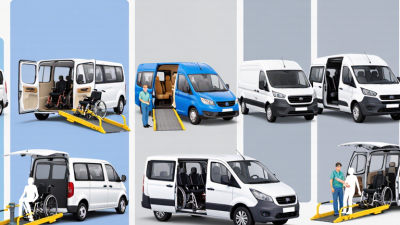
What Are the Best Wheelchair Vans in China?
Choosing among wheelchair vans in China is not just a matter of comparing prices or looking at polished specifications. The right vehicle should suit the wheelchair user’s body, daily routes, and support needs. A low ramp angle can make a steep apartment entrance feel manageable. A wide doorway matters when a caregiver helps with transfers. Small details count.
Disability-rights scholar James Charlton’s phrase, “Nothing About Us Without Us,” offers a useful standard for evaluating accessibility. The wheelchair user should take part in every assessment, not simply appear in a brochure. That means checking the ramp, doorway, wheelchair restraints, seating position, and headroom in person. Test the van with the actual wheelchair, if possible. A showroom demonstration is not the same as a real commute.
This guide compares wheelchair vans available in China by focusing on practical fit, conversion quality, comfort, service support, and value. Availability and specifications can change by city, dealer, and vehicle configuration, so confirm details directly before making a decision. Ask for clear documentation and a hands-on demonstration. Bring the wheelchair. Measure the parking space, too. Some comparisons remain difficult without independent testing, and that limitation deserves attention. The best choice is the one that works safely for the person using it, on ordinary days—not only during a sales demonstration.

Understanding Wheelchair Vans and Their Uses in China
In China, a wheelchair van can make daily travel easier for people who cannot transfer safely into a standard car. Families may use one for hospital visits, school trips, work, or longer journeys between cities. The right setup depends on the wheelchair user, caregiver, and route—not just the vehicle’s size. A fold-out ramp may suit a low-entry vehicle, while a lift can help with heavier chairs. Fit matters. Check doorway width, interior headroom, turning space, and whether the chair can be secured without blocking other passengers.
Tips: Before choosing a van, measure the wheelchair and bring it to a hands-on vehicle inspection. Ask how the ramp or lift works on a slope, and test the restraint system with a qualified installer. Also consider parking height limits, narrow residential lanes, and access at destinations. Small details matter.
Availability and accessibility can differ between cities and rural areas, so plan the whole trip rather than only the vehicle. Call clinics or hotels to confirm entrances and drop-off points; a step at the doorway can undo an otherwise accessible ride. Keep emergency contact details and a simple backup plan. I would not assume every “accessible” vehicle fits every chair—labels can be vague, and a rushed test may miss problems. Check comfort on a real journey, including head support, ventilation, and space for a caregiver.
Types of Wheelchair Van Conversions Available in China
In China, wheelchair-van conversions usually differ by how passengers enter and how the cabin is rearranged. A side-entry conversion uses a ramp or lift beside the sliding door, leaving space for a wheelchair near the front or middle row. It can make curbside pickup easier, though the ramp needs room to unfold. A rear-entry layout places the ramp at the back and often suits tighter side parking. The trade-off is practical: luggage space may shrink.
A lowered-floor conversion reduces the cabin’s floor height, creating more headroom for a seated passenger and making ramp access less steep. Some builds combine this with wheelchair restraint points and a secure passenger belt. A lift-based conversion can help when a ramp is too long or steep, but it adds weight and needs regular inspection. Small details matter. Check door clearance, turning space, ramp grip, and whether a caregiver can reach the restraint controls.
The need is substantial, but not every family needs the same layout. The WHO and UNICEF Global Report on Assistive Technology (2022) estimates that 2.5 billion people need at least one assistive product, while nearly one billion lack access. That global figure is not a van-market estimate; it does show why usable design matters. No conversion is perfect. Before choosing, measure the wheelchair, daily parking space, and the route into the vehicle.
Key Accessibility and Safety Features to Consider
A wheelchair van should make boarding predictable, not merely possible. Check the ramp’s width, slope, and surface: a narrow ramp or wet, smooth finish can make entry stressful. The doorway should leave enough room for a caregiver to guide the chair without scraping hands or wheels. Measure the wheelchair, including footrests and any head support, then compare those dimensions with the usable interior space.
Small details matter. Look for secure wheelchair tie-downs and a separate occupant restraint system; the chair’s brakes are not a substitute for either. Ask how the ramp or lift behaves if power fails, and whether emergency release controls are easy to reach. Good interior lighting, grab handles, clear floor space, and a low step can help during hurried transfers. A sales demonstration may look smooth, but it cannot show how the system feels on a rainy day.
Test the van with the actual wheelchair and passenger when possible. Try a full boarding cycle, turn the chair inside, and check sightlines from the seated position. Listen for rattles, watch for abrupt ramp movement, and make sure restraints can be fastened without awkward stretching. In China, parking spaces and road surfaces vary widely, so consider the van’s overall height and maneuverability too. I would not judge safety from a feature list alone; documented testing and qualified conversion work deserve a closer look.
How to Compare Wheelchair Van Models and Suppliers
Choosing a wheelchair van in China starts with the passenger’s needs and daily route, not brochure photos. Measure the wheelchair, turning space, and doorway clearance before comparing models. Check ramp width, slope, handrails, and whether the ramp can be operated safely on a wet day. Confirm the vehicle’s payload after passengers, mobility equipment, and luggage are included. Small details matter.
Compare suppliers by asking for written specifications, clear photos of the conversion, and a live demonstration. Test entry and exit with the actual wheelchair when possible. Check how the chair is secured, where the occupant sits, and whether controls are easy to reach. Ask about maintenance, replacement parts, staff training, and response times in your area. A low price may not include the support you need. A tidy spec sheet can still leave questions unanswered.
Tips: Bring your wheelchair measurements and a typical travel plan to each discussion. Ask the supplier to explain any unclear figures in writing. If a detail feels uncertain, pause and verify it with an independent technician before ordering.
Choosing a Wheelchair Van for Different Mobility Needs
Choosing a wheelchair van starts with the passenger’s daily routine, not just the wheelchair. Measure the chair’s full width, length, footrests, and seated height. Include cushions and hand rims. A few centimeters matter. Consider whether the passenger transfers to a vehicle seat or remains in the chair during travel; each needs a different interior layout.
For transfers, check door opening, step height, grab-handle position, and whether there is room for a caregiver to assist. A gentle ramp can be easier to manage, while a lift may suit a heavier power chair. If the passenger rides in the wheelchair, confirm there is enough headroom and space for securement straps to reach their proper points. Test with the actual chair. Bring daily bags, too.
In Chinese cities, narrow parking spaces and low garage ceilings can affect entry choices. Side-entry layouts may need clear space beside the van; rear entry may require room behind it. For longer trips, check seating comfort, ventilation, and access to charging for powered equipment. Ask a qualified conversion professional for written interior measurements, load ratings, and maintenance guidance. No layout is perfect. Small inconveniences can become daily frustrations.
Choosing a Wheelchair Van: Ramp Length vs. Entry Height
Ramp run required at a 1:12 slope benchmark. Values are calculated as entry height × 12.
These examples illustrate how entry height affects the ramp space a vehicle may need. A 1:12 slope is a common accessibility design benchmark, not a vehicle-specific requirement for China. Confirm local regulations and the passenger’s mobility equipment, transfer needs, and available parking space before choosing a van.