What Are China Top Mobility Vans for Global Buyers?
Choosing the right mobility vans is not simply a matter of comparing prices or counting seats. Global buyers need dependable access, safe wheelchair positioning, practical loading systems, and after-sales support that remains available across borders. A van may look impressive in a showroom, yet feel cramped beside a steep curb or narrow hospital entrance.
Ralph Braun, founder of BraunAbility and a respected mobility innovator, often used the guiding phrase, “If you can dream it, you can do it.” His words reflect the purpose behind modern mobility vans: expanding independence through thoughtful vehicle design. That purpose should guide every comparison in this article. Buyers will examine lowered floors, ramps, lifts, headroom, turning space, restraint systems, and conversion quality. They will also consider Toyota, Ford, Mercedes-Benz, and other platforms used by trusted converters.
The “top” choice is never identical for every country or family. Import rules, road conditions, service networks, climate, and local accessibility needs can change the decision. A compact rear-entry van may suit urban travel. A larger side-entry model may work better for power-wheelchair users and family caregivers. Small details matter, such as ramp angle, door clearance, and the location of hand controls.
No ranking is perfect. Real-world testing still matters. This guide will compare leading mobility vans through usability, safety, comfort, durability, customization, and long-term ownership value. It will also question marketing claims where evidence feels thin. Reliable information should help buyers make confident decisions, not simply encourage a quick purchase.
Defining Mobility Vans and Their Role in Global Transportation
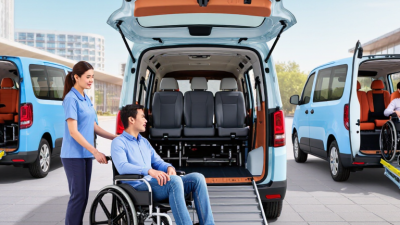
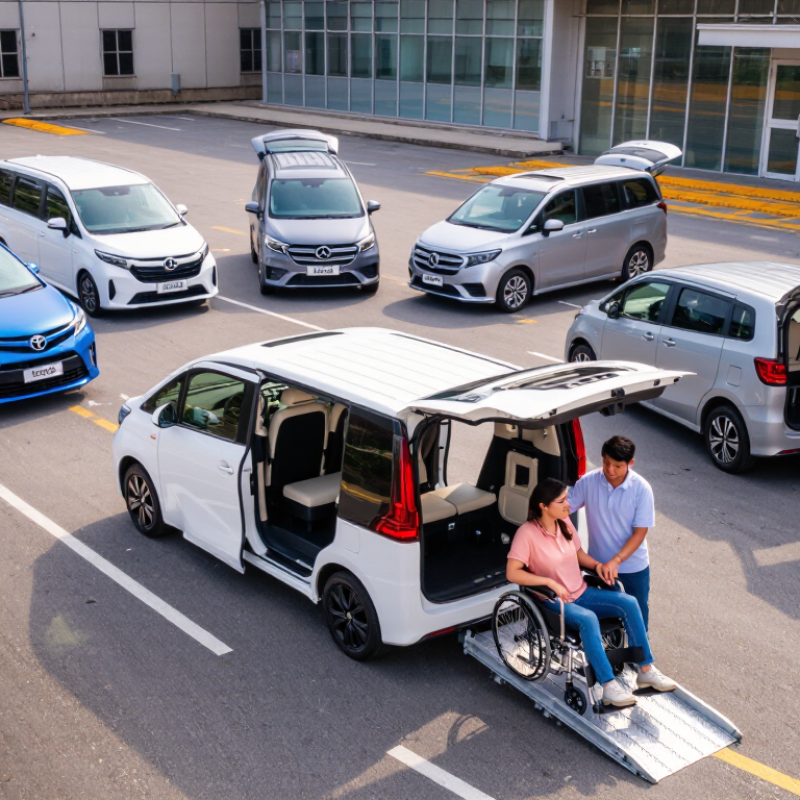
Mobility vans are specially adapted vehicles that help people travel with greater comfort, access, and independence. They may include wheelchair ramps, lifts, wider doors, secure restraint systems, and adjustable seating. Unlike ordinary passenger vans, their interior layout supports different movement needs. A low step matters. So does clear space around the passenger.
For global transportation, mobility vans connect homes, clinics, airports, schools, and community services. They can support private families, accessible taxis, hotel transfers, and medical appointment transport. Buyers in different regions must consider road quality, climate, fuel availability, and parking limits. A van designed for smooth city roads may perform poorly on rural routes. Ground clearance and corrosion protection deserve careful inspection.
Reliable purchasing requires more than checking price and appearance. Buyers should request load ratings, accessibility measurements, maintenance records, and safety test information. They should also confirm whether the vehicle meets local import, registration, and accessibility rules. Conversion quality can vary, even when two vans look similar. No design is perfect. A ramp may be convenient but reduce interior space. A larger lift may improve access but increase weight and maintenance needs. Hands-on trials with actual users can reveal awkward angles, noisy mechanisms, or difficult controls before a fleet purchase.
China’s Leading Mobility Van Types for Different Passenger Needs
What Are China Top Mobility Vans for Global Buyers?
China’s Leading Mobility Van Types for Different Passenger Needs
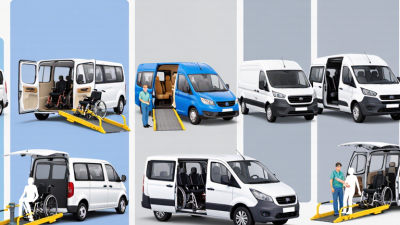
China’s mobility van market offers practical layouts for varied passenger needs. The right choice depends on access, seating, travel distance, and operating conditions.
Wheelchair-accessible vans usually include a rear or side ramp, reinforced flooring, and secure restraint points. Low-floor designs help passengers enter with less assistance. Some layouts carry one wheelchair and several seated passengers. Others support multiple wheelchairs but sacrifice luggage space. Buyers should measure wheelchair dimensions carefully. Small differences matter.
Passenger shuttle vans suit airports, hotels, hospitals, and community transport services. They commonly provide wide sliding doors, step aids, and flexible seating rows. Family-oriented models may include child-friendly seats, extra storage, and quieter interiors. Executive layouts focus on comfort, with reclining seats, improved insulation, and charging ports. These features sound simple. They affect daily use.
For demanding routes, buyers often consider electric mobility vans or diesel and petrol configurations. Electric models can reduce local operating noise, but charging access remains a practical concern. Conventional powertrains may offer easier long-distance deployment. Fleet managers should inspect ramp strength, seat anchoring, turning radius, battery protection, and payload limits. Test the vehicle with real passengers, luggage, and mobility equipment. Brochures rarely show every weakness. Conversion quality can vary between suppliers, even with similar specifications. Independent inspections, clear service records, parts availability, and compliance documents deserve equal attention before shipment. Local accessibility and vehicle regulations must also be confirmed before purchase.
Mobility van capacity varies by vehicle layout, accessibility equipment, and local regulations. Compact accessible vans typically prioritize maneuverability for individual wheelchair users, while mid-size and larger low-floor vans serve families, care providers, and group transportation. The ranges shown represent common global passenger configurations rather than any specific vehicle or manufacturer.
Key Features to Compare Before Choosing a Chinese Mobility Van
What Are China Top Mobility Vans for Global Buyers?
When comparing Chinese mobility vans, start with real access needs, not attractive exterior photos. Measure the wheelchair, user, and caregiver together. Check the doorway width, interior height, ramp angle, and turning space. A few centimeters can change daily comfort.
Review the conversion quality carefully. A powered ramp should deploy smoothly and support the stated load without excessive movement. Look for secure wheelchair tie-downs, passenger restraints, low steps, bright interior lighting, and clear emergency controls. Test the van with the wheelchair occupied. Fit matters. Test it loaded.
Powertrain choice also deserves attention. Electric vans may offer quiet travel and lower local operating costs, but battery range can fall in cold weather or heavy traffic. Diesel or petrol models may suit longer routes, though fuel use and maintenance require planning. Ask for charging details, battery warranty terms, service intervals, and parts availability in your region. Claims need evidence.
Build quality can vary between suppliers and production batches. Inspect welds, floor reinforcement, door seals, and ramp hinges before purchase. Request inspection records and a road-test report. Local certification requirements, insurance rules, and accessible transport standards must be checked independently. After-sales support is easy to underestimate. Response time, technician training, and replacement-part delivery may matter more than the initial price. I would also leave room for doubt: a polished brochure cannot replace repeated testing on real roads.
Safety, Accessibility, and Compliance for International Markets
China’s top mobility vans for global buyers must prove more than attractive pricing.
Accessibility begins at the kerb. The World Health Organization estimates that 1.3 billion people live with significant disabilities. A narrow ramp, poor lighting, or a steep entry angle can quickly reduce real-world usability. In fleet inspections, I would check doorway width, ramp load rating, non-slip flooring, and turning space for different wheelchair sizes.
Safety requires integrated engineering.
The WHO Global Status Report on Road Safety 2023 recorded about 1.19 million annual road deaths worldwide. Mobility vans should therefore include tested wheelchair restraints, passenger seat belts, accessible emergency exits, and clear driver visibility. ISO 10542 covers wheelchair tie-down and occupant-restraint systems. UN Regulations 14, 16, and 107 also support requirements for anchorages, seat belts, and passenger vehicles. Certification details still need checking. Documents can be incomplete, or translated poorly.
Tips:
Ask for independent crash-test evidence, not only factory claims. Confirm ramp performance under maximum payload. Verify accessibility dimensions with actual wheelchairs. Check local rules before shipment, because approval pathways differ across markets. The European Union applies broad vehicle safety requirements, while United States accessibility expectations may involve ADA-related specifications. A van can meet one market’s paperwork and still require modifications elsewhere. That gap deserves attention.
Import, Support, and Ownership Factors for Global Buyers
What Are China Top Mobility Vans for Global Buyers?
Importing a mobility van from China requires more than comparing factory prices. Global buyers should check vehicle certification, right-hand or left-hand drive options, emissions rules, and wheelchair-access standards before placing an order. A van may look suitable in photographs but fail local registration because of ramp angles, seat-belt placement, or door dimensions. Confirm every measurement in writing. Ask for test reports, production photos, and a clear list of included equipment.
After-sales support can decide whether the purchase remains practical. Reliable suppliers should provide wiring diagrams, maintenance schedules, spare-parts access, and remote technical guidance. A local service partner is valuable when a lift motor stops working during a busy week. Response time matters. So does training. Many buyers focus on delivery and underestimate service coordination across time zones. That mistake can become expensive.
Ownership costs include insurance, charging or fuel, tires, inspections, and replacement parts. Electric versions may need careful checks of battery warranty terms and regional charging compatibility. Conventional models may offer easier servicing in areas with limited charging networks. Accessibility modifications also require regular inspection, especially around ramps, restraints, and floor anchors. Independent pre-shipment inspection is worth considering, although it cannot reveal every long-term weakness. Some specifications may still change after delivery. Keep a contingency budget, and review the contract before choosing the lowest quote.